
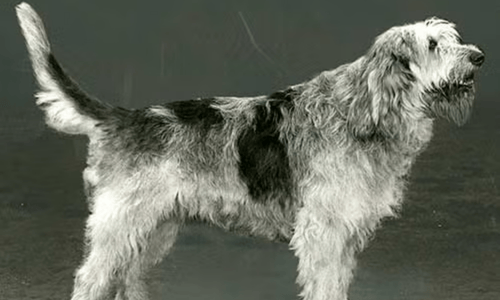

Otterhound
History and Background
The Otterhound is an ancient dog breed originating in Britain, with roots reaching back to the 12th century. Its name derives from its original purpose – hunting otters. In a period when otters were considered a threat to water sources and fishing, the Otterhound served as a working dog with an exceptional sense of smell, which enabled it to track scents even in water. It is known for its water-resistant coat and its impressive swimming ability, which were essential for hunting tasks in bodies of water.
Breed Details
Easygoing with Training
Shedding
Life Expectancy
Pet-Friendly
Family-Friendly
Breed Size
Breed Size
Family-Friendly
Pet-Friendly
Easygoing with Training
Shedding
Life Expectancy
More Breed Details
Life Expectancy
Life Expectancy
10-13 years

Male Weight
Male Weight
Males between 36 and 52 kg
Female Weight
Female Weight
Females between 29 and 41 kg

Male Height
Male Height
Males 67-72 cm
Female Height
Female Height
Females 60-65 cm

Weather Sensitivity
Weather Sensitivity
Resistant to cold and sensitive to high heat

Energy Level
Energy Level
High

Coat Characteristics
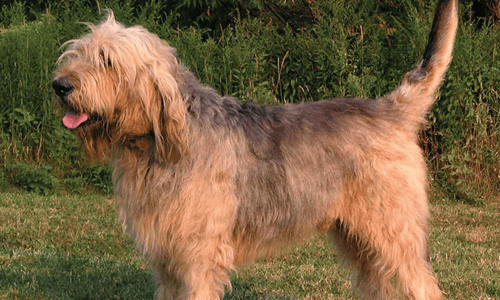
A long, coarse, dense, water-resistant coat; common colors include shades of brown, black, gray and combinations

Hereditary Diseases
Hereditary Diseases
Hip dysplasia, epilepsy, and clotting disorders
The Breed's Purpose Today
Today, the Otterhound is a rare breed, used mainly as a companion dog for active families. It excels at sporting activities such as agility, and in certain countries it serves as a search-and-rescue dog thanks to its well-developed sense of smell. It is suited to be a working dog mainly for hunting and swimming tasks.
Tips for Training and Educating the Breed
- Early socialization: It is important to expose the Otterhound to a variety of people, animals and environments from a young age, in order to develop friendly and balanced behavior.
- Positive training: Using positive reinforcement, such as praise and treats, is especially effective, since the breed is sensitive to harsh approaches.
- Physical and mental activity: The Otterhound should be provided with daily physical activity and mental activities, such as scent games, in order to prevent boredom and destructive behavior.
- Patience and consistency: The Otterhound can be independent and sometimes stubborn; therefore, it is important to be consistent and patient during the training process.