

Welsh Corgi
History and Background
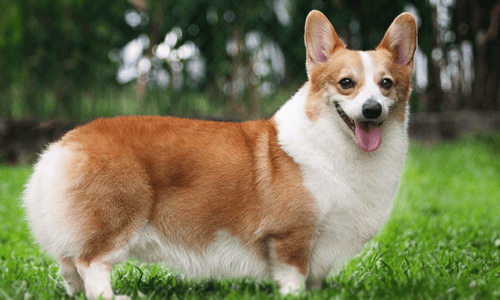
The Welsh Corgi is a dog breed originating in Wales, Britain. The breed developed as a herding dog, especially for herding cattle and sheep, and was known for its ability to gently nip at the cattle’s heels to move them along, which earned it the nickname “heeler.” The Welsh Corgi is divided into two sub-breeds:
- Cardigan Welsh Corgi: considered the older of the two, with roots dating back to 1200 BCE. It was brought to Wales by Celtic tribes.
- Pembroke Welsh Corgi: brought to Wales in the 10th century by Flemish weavers. The Pembroke gained great popularity, especially among the British royal family, and became a national symbol.
Breed Details
Easygoing with Training
Shedding
Life Expectancy
Pet-Friendly
Family-Friendly
Breed Size
Breed Size
Family-Friendly
Pet-Friendly
Easygoing with Training
Shedding
Life Expectancy
More Breed Details
Life Expectancy
Life Expectancy
12–15 years

Male Weight
Male Weight
Males and females 10–14 kg
Female Weight
Female Weight
Males and females 10–14 kg

Male Height
Male Height
Males and females 25–30 cm
Female Height
Female Height
Males and females 25–30 cm

Weather Sensitivity
Weather Sensitivity
Sensitive to heat; it is recommended to avoid prolonged exposure to hot weather

Energy Level
Energy Level
High

Coat Characteristics
A double coat; a soft undercoat and a fibrous outer coat. Coat colors include red, black, light brown, and light blue.

Hereditary Diseases
Hereditary Diseases
A tendency toward spine problems, especially due to the elongated body structure and short legs. It is recommended to prevent obesity and to monitor their activity
The Breed's Purpose Today
Today, the Welsh Corgi serves as a loyal companion dog, participates in canine sport competitions such as agility and obedience, and is suited to families seeking an intelligent and energetic dog.
Tips for Training and Educating the Breed
- Early socialization: It is important to expose the Welsh Corgi to a variety of people, animals, and environments from a young age in order to develop friendly and confident behavior.
- Consistent, positive training: Using positive reinforcement, such as treats and praise, will aid learning and reinforce the desired behavior.
- Physical and mental activity: The Welsh Corgi needs daily activity, such as walks, running, and play, to prevent boredom and destructive behavior.
- Clear leadership: The breed needs an owner who demonstrates confident and consistent leadership, with clear boundaries and a loving attitude.
The Welsh Corgi is a small-to-medium-sized, intelligent, and loyal dog, suited to active families seeking an energetic and loving companion. With attention to training, socialization, grooming, and sufficient physical activity, it can be a wonderful addition to any home.

