
Saint Bernard

History and Background

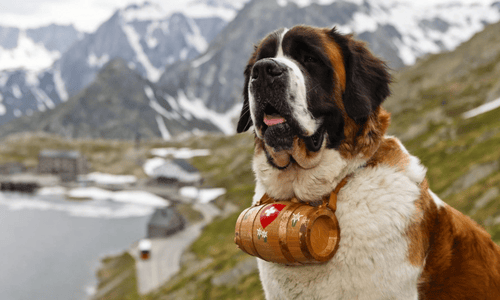
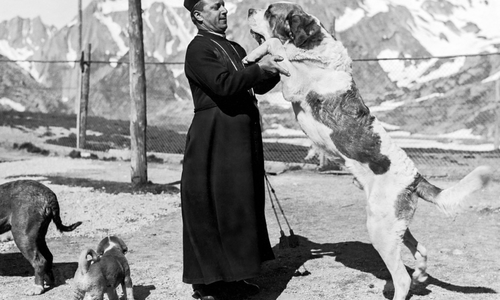
Saint Bernard is a large and impressive dog breed originating in the Alps, particularly in the region between Switzerland and Italy. This breed was developed in the 17th century by monks at the Great St. Bernard Hospice, located in a dangerous mountain pass. Its main role was to serve as a rescue dog, helping to find and save lost or injured travelers in the snow. Thanks to its highly developed sense of smell, great strength, and tolerance of cold, the Saint Bernard was able to locate people buried under avalanches. The breed became famous around the world for its image with a small barrel of drink around its neck, although this is a myth. Today, it is considered one of the friendliest and most family-oriented dogs.

Breed Details

Easygoing with Training

Requires Patience

Shedding

High Shedding

Life Expectancy

8-10 years

Pet-Friendly

Yes

Family-Friendly

Needs an Active Family

Breed Size

Giant

Breed Size

Giant

Family-Friendly

Needs an Active Family

Pet-Friendly

Yes

Easygoing with Training

Requires Patience

Shedding

High Shedding

Life Expectancy

8-10 years

More Breed Details

The Breed's Purpose Today

Today, the Saint Bernard serves mainly as a friendly and loyal family dog. Although its original role as a mountain rescue dog is almost nonexistent today, it remains a symbol of courage, strength, and nobility. The breed is common at dog shows due to its impressive size and gentle character. In certain countries it is still used as a therapy dog and companion dog, due to its calm and empathetic nature.


Tips for Training and Educating the Breed

  • Training from a young age: Due to its enormous size in adulthood, it is important to begin training while still a puppy to instill discipline and prevent behavioral problems in the future.
  • A positive approach: The Saint Bernard is very sensitive, so harsh training methods should be avoided and the focus placed on positive reinforcement.
  • Social practice: Early socialization with people, children, and other animals will ensure friendly and safe behavior.
  • Moderate physical activity: The breed does not need intense physical activity, but daily walks are important to maintain its health.
  • Coping with heat: On hot days, strenuous outdoor activity should be avoided, and water and access to a shaded place should be provided.
עסק של מילואימניק ספק מורשה של משרד הביטחון