

Fox Terrier
History and Background
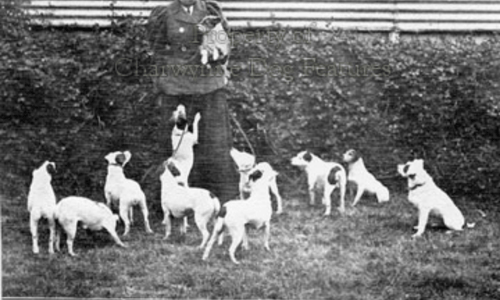
Fox Terrier is a small but energetic breed originating in 18th-century England. The breed was developed especially for fox hunting, hence its name, thanks to its ability to enter burrows and work in cooperation with hunters. The Fox Terrier was divided into two main types: Smooth-coated (Smooth) and Wire-haired (Wire), each of which was used in different hunting situations. This breed was very popular among nobility and sportsmen in England, and over the years it became a companion dog thanks to its cheerful and lively character.
Breed Details
Easygoing with Training
Shedding
Life Expectancy
Pet-Friendly
Family-Friendly
Breed Size
Breed Size
Family-Friendly
Pet-Friendly
Easygoing with Training
Shedding
Life Expectancy
More Breed Details
Life Expectancy
Life Expectancy
12-15 years

Male Weight
Male Weight
Males and females 6-9 kg
Female Weight
Female Weight
Males and females 6-9 kg

Male Height
Male Height
Males and females 33-39 cm
Female Height
Female Height
Males and females 33-39 cm

Weather Sensitivity
Weather Sensitivity
Tolerant of moderate cold, sensitive to high heat

Energy Level
Energy Level
High

Coat Characteristics
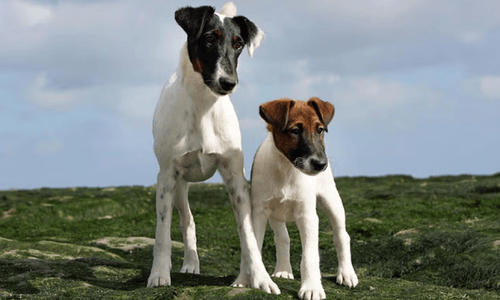
Short, dense, and smooth coat; thick, coarse hair or coat, requires professional grooming. Main colors white with brown or black patches

Hereditary Diseases
Hereditary Diseases
Eye diseases, cataracts, patellar luxations, and skin problems
The Breed's Purpose Today
Today, the Fox Terrier serves mainly as a family companion dog thanks to its sociable and energetic personality. It still participates in canine sports competitions such as agility and obedience, where it shines thanks to its speed and sharp thinking. In certain countries it is still used for hunting, mainly in rural areas. The Fox Terrier is especially suited to families looking for a lively and playful dog, but one that needs regular activity and mental stimulation.
Tips for Training and Educating the Breed
- A consistent and patient approach: The Fox Terrier is very independent, so a patient but firm approach should be maintained in training.
- Positive reinforcement: Praise, rewards, and play are very important for maintaining its motivation.
- Intense daily activity: Due to its high energy level, it needs walks, running, and active play on a regular basis.
- Socialization from a young age: Exposure to other dogs and people will help reduce its tendency to be territorial.
- Mental challenge: The breed loves thinking games and mental challenges, so retrieval and scent-detection games will help keep it balanced and happy.