

Pomeranian
History and Background
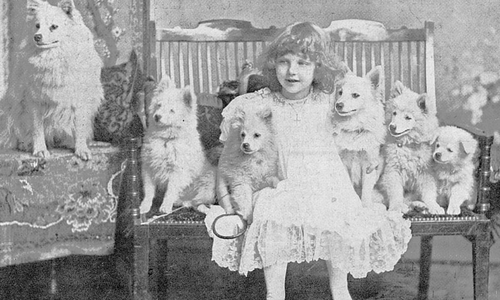
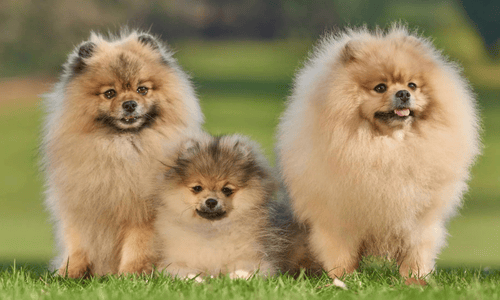
Pomeranian is a small and decorative breed originating in the Pomerania region, located today between Germany and Poland. The Pomeranian developed from large German Spitz breeds that once served as working dogs, but over the years its size was reduced in order to turn it into a perfect companion dog and a convenient home watchdog. The breed gained enormous popularity in the 18th and 19th centuries, especially when it earned the appreciation of Britain’s Queen Victoria, who kept small, well-groomed Pomeranians. The Pomeranian is known for its magnificent appearance including a thick and impressive coat, upright ears, and an alert expression.
Breed Details
Easygoing with Training
Shedding
Life Expectancy
Pet-Friendly
Family-Friendly
Breed Size
Breed Size
Family-Friendly
Pet-Friendly
Easygoing with Training
Shedding
Life Expectancy
More Breed Details
Life Expectancy
Life Expectancy
12-16 years

Male Weight
Male Weight
Males and females 2-3.5 kg
Female Weight
Female Weight
Males and females 2-3.5 kg

Male Height
Male Height
Males and females 18-22 cm
Female Height
Female Height
Males and females 18-22 cm

Weather Sensitivity
Weather Sensitivity
Sensitive to high heat, tolerant of moderate cold

Energy Level
Energy Level
High

Coat Characteristics
Double, thick coat, with a dense undercoat and a long, upright outer coat; a variety of colors including orange, white, black, brown, gray, and more

Hereditary Diseases
Hereditary Diseases
Tracheal collapse, patellar luxations, dental problems, and eye diseases such as cataracts
The Breed's Purpose Today
Today, the Pomeranian is a distinct companion dog, valued for its beautiful appearance and its cheerful and sociable character. It is suited to life in an apartment or small house, but needs daily activity and constant attention. The breed also does well at dog shows thanks to its magnificent appearance.
Tips for Training and Educating the Breed
- Consistent training: Due to its tendency to be stubborn at times, it is important to maintain a consistent and patient approach.
- Positive reinforcement: Use treats, praise, and play to maintain its cooperation.
- Early socialization: Exposure to people, children, and other dogs from a young age will help it be sociable and relaxed.
- Moderate activity: Daily walks and light play are enough to release its energy.
- Regular grooming: Its thick coat requires frequent brushing, at least 2-3 times a week, to prevent tangles and excessive shedding.