
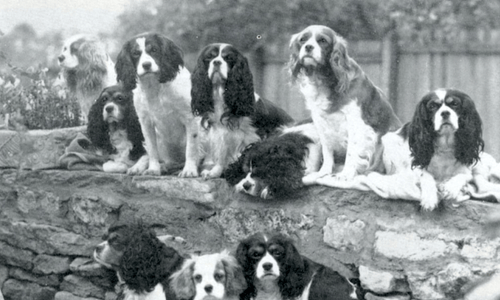

King Charles Spaniel
History and Background
King Charles Spaniel, also known as the Cavalier King Charles Spaniel, is a small and charming dog breed originating in Britain. The breed was developed in the 17th century and was especially beloved by King Charles II, who gave it its name. These dogs served as companion animals for the British and European nobility, and were especially common in Renaissance-era paintings. Thanks to its sociable personality and noble appearance, the King Charles Spaniel remains popular to this day.
Breed Details
Easygoing with Training
Shedding
Life Expectancy
Pet-Friendly
Family-Friendly
Breed Size
Breed Size
Family-Friendly
Pet-Friendly
Easygoing with Training
Shedding
Life Expectancy
More Breed Details
Life Expectancy
Life Expectancy
12-15 years

Male Weight
Male Weight
Males and females 5-8 kg
Female Weight
Female Weight
Males and females 5-8 kg

Male Height
Male Height
Males and females 30-33 cm
Female Height
Female Height
Males and females 30-33 cm

Weather Sensitivity
Weather Sensitivity
Sensitivity to high heat, tolerance of moderate cold

Energy Level
Energy Level
High

Coat Characteristics
Silky, long, and smooth coat, with feathering on the ears, tail, and legs. Main colors: Blenheim (brown-and-white), tricolor (black-and-white with brown markings), ruby (solid brown), and black-and-tan

Hereditary Diseases
Hereditary Diseases
Heart diseases (MVD - Mitral Valve Disease), patellar luxations, eye problems, and syringomyelia (Syringomyelia)

The Breed's Purpose Today
Today, the King Charles Spaniel serves mainly as a family pet and an ideal companion dog. Its friendly and calm character makes it especially suited to families with children, older adults, and owners of small homes. In addition, it participates in obedience and agility competitions, thanks to its intelligence and its desire to please its owner.
Tips for Training and Educating the Breed
- Positive reinforcement: The King Charles responds well to praise, treats, and play, which makes training easier.
- Early socialization: Exposure from a young age to people, children, and other dogs will help it be sociable and relaxed.
- Regular grooming: Its coat should be brushed at least twice a week and its ears cleaned to prevent infections.
- Daily activity: The breed needs daily walks and moderate play to maintain its health.
- Emotional involvement: The King Charles loves attention and affection, so time should be devoted to it and leaving it alone for long periods should be avoided.