
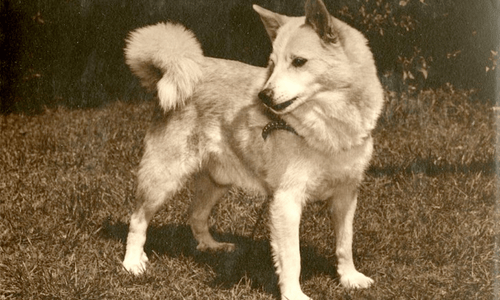

Icelandic Sheepdog
History and Background
Icelandic Sheepdog is an ancient dog breed originating in Iceland, to which it was brought by the Vikings in the 9th century. It is the only breed originating in Iceland, and for centuries it was used as a herding and farm dog, assisting in guarding and driving flocks of sheep, horses, and cattle under the harsh conditions of the island. The Icelandic Sheepdog became known for its ability to cope with cold and harsh weather, its friendly nature, and its high intelligence. Today, it is considered a cultural symbol of Iceland and a loyal companion.
Breed Details
Easygoing with Training
Shedding
Life Expectancy
Pet-Friendly
Family-Friendly
Breed Size
Breed Size
Family-Friendly
Pet-Friendly
Easygoing with Training
Shedding
Life Expectancy
More Breed Details
Life Expectancy
Life Expectancy
12-14 years

Male Weight
Male Weight
Males: 12-16 kg
Female Weight
Female Weight
Females: 10-14 kg

Male Height
Male Height
Males: 46-50 cm
Female Height
Female Height
Females: 42-46 cm

Weather Sensitivity
Weather Sensitivity
Very resistant to cold, sensitive to high heat

Energy Level
Energy Level
High

Coat Characteristics
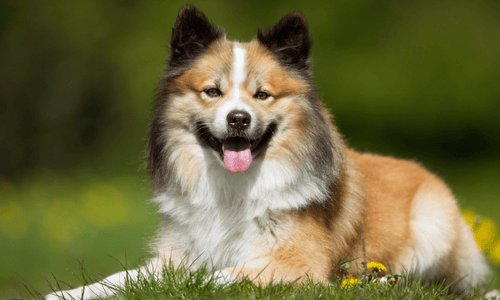
There are two variations: a short coat and a long coat, both dense and with a thick undercoat. Main colors: brown, red, cream, chocolate, with or without white and black markings

Hereditary Diseases
Hereditary Diseases
Generally good health, but cases of hip dysplasia and rare eye problems may occur
The Breed's Purpose Today
Today, the Icelandic Sheepdog is used mainly as a family pet and a loyal companion. Thanks to its sociable nature and high intelligence, it is also suitable for families with children and for owners who love outdoor activity. It continues to be used as a working dog in rural areas and sometimes participates in canine sports competitions such as agility and obedience.
Tips for Training and Educating the Breed
- Positive reinforcement: The Icelandic Sheepdog responds well to praise and treats, which makes training enjoyable and effective.
- Early socialization: Exposure to dogs, people, and various environments from a young age will help it be sociable and relaxed.
- Daily activity: The breed needs daily walks and moderate to intensive physical activity, such as running or chase games.
- Thinking games: Due to its high intelligence, it will enjoy thinking games and mental challenges, which will keep it balanced.
- Regular grooming: Brushing its coat twice a week will maintain its healthy appearance and reduce shedding in the home.