

Gull Dong
History and Background
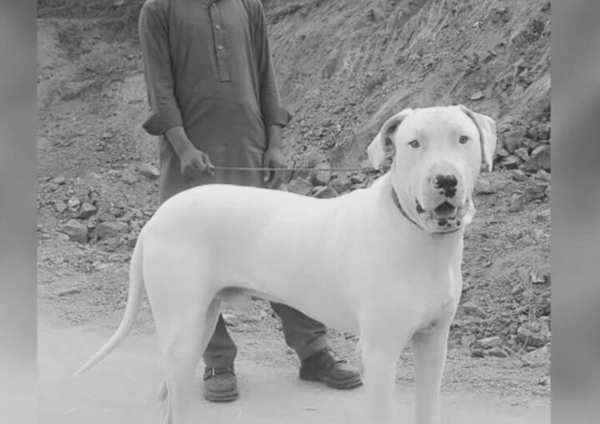
The Gull Dong is a rare and powerful breed originating in Pakistan and India, where it was created from a cross between the Gull Terrier and the Bully Kutta. The purpose of the cross was to create an especially fast, muscular, and brave dog – with a combination of physical strength, intelligence, and high work drive. The Gull Dong was for years considered a fighting dog, but over time its role changed, and today it is used mainly for guarding and protection. This is a dog with an independent character, absolute loyalty to its owner, and a natural tendency to protect its territory.
Breed Details
Easygoing with Training
Shedding
Life Expectancy
Pet-Friendly
Family-Friendly
Breed Size
Breed Size
Family-Friendly
Pet-Friendly
Easygoing with Training
Shedding
Life Expectancy
More Breed Details
Life Expectancy
Life Expectancy
10–12 years

Male Weight
Male Weight
55–65 kg
Female Weight
Female Weight
45–55 kg

Male Height
Male Height
70–80 cm
Female Height
Female Height
65–75 cm

Weather Sensitivity
Weather Sensitivity
Relatively resistant to cold, but sensitive to extreme heat.

Energy Level
Energy Level
High

Coat Characteristics
Short, smooth, and close-lying to the body; common colors – white, brown, brindle, or gray.

Hereditary Diseases
Hereditary Diseases
Tendency toward hip dysplasia, joint problems, and sometimes also skin sensitivity.
The Breed's Purpose Today
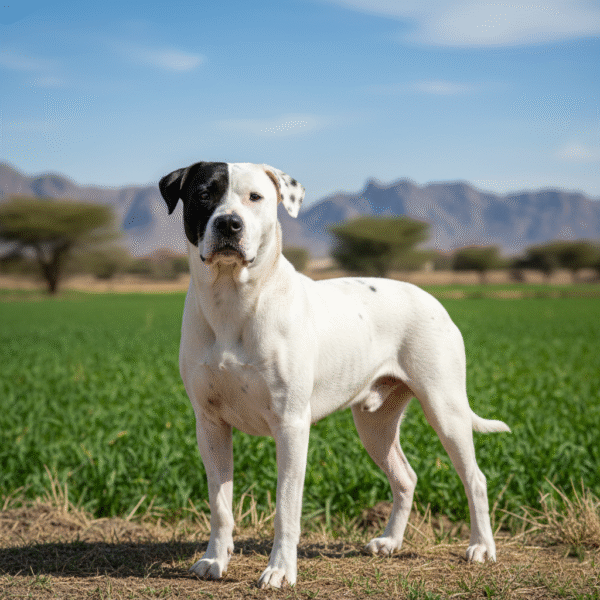
Today, the Gull Dong is used mainly as a guarding and loyalty dog, especially in rural areas and luxury homes in South Asia. With a skilled owner who knows how to set boundaries and manage its high energy, it is able to become a most loyal and reliable partner. Due to its power, this breed is not suitable for a dense urban environment or for inexperienced owners.
Tips for Training and Educating the Breed
-
Consistent training and clear boundaries – the Gull Dong must know who leads the pack. It must not be allowed to set the rules.
-
Early and controlled socialization – gradual exposure to dogs and people will help prevent dominance and aggression.
-
Daily work on discipline and control – obedience exercises, impulse control, and proper leash walking are especially essential in this breed.
-
Physical and mental satisfaction – a dog that does not exercise or challenge itself may develop frustration and a tendency to destroy objects or to be overprotective.