

Bandog
History and Background
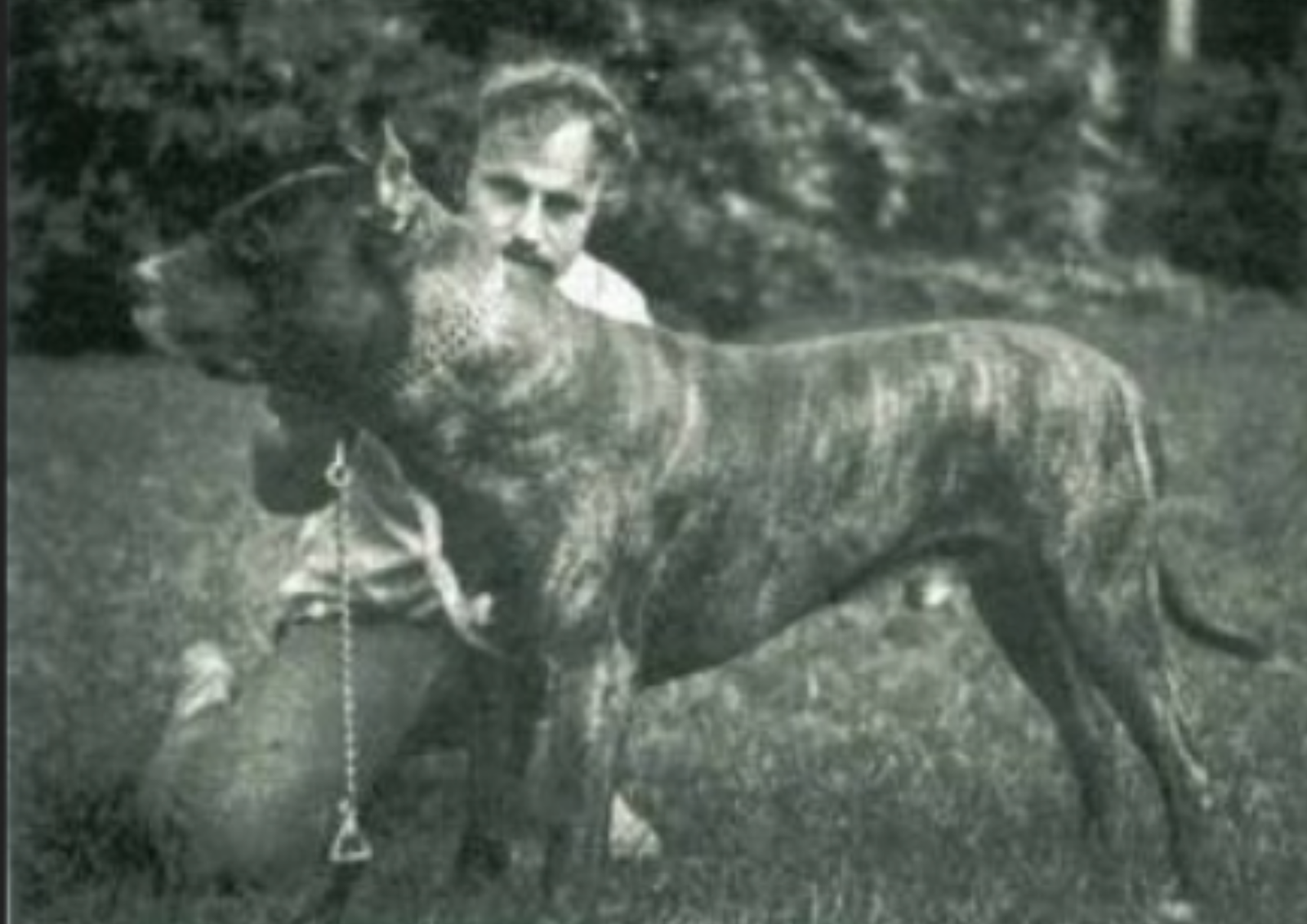
The Bandog is an especially strong working breed originating in medieval England. The name “Bandog” comes from the old English term “Banded Dog” – that is, a dog that was tied on a chain during the day and released at night to guard the property. Originally this was not a pure breed, but rather a working dog created from a cross between various mastiffs and terriers or bulldogs, with the aim of combining strength, courage, and precise control ability.
In its modern version, the Bandog was redeveloped in the 1970s in the USA, mainly for the purposes of personal protection and securing private areas. The most common combination today is between a Neapolitan Mastiff and a Pit Bull Terrier, but there are also other lines that include the Canary, Doberman, or Bully Kutta.
Breed Details
Easygoing with Training
Shedding
Life Expectancy
Pet-Friendly
Family-Friendly
Breed Size
Breed Size
Family-Friendly
Pet-Friendly
Easygoing with Training
Shedding
Life Expectancy
More Breed Details
Life Expectancy
Life Expectancy
10–12 years

Male Weight
Male Weight
40–60 kg
Female Weight
Female Weight
35–50 kg

Male Height
Male Height
63–76 cm
Female Height
Female Height
58–70 cm

Weather Sensitivity
Weather Sensitivity
Sensitive to extreme heat; resistant to moderate and cool weather.

Energy Level
Energy Level
High

Coat Characteristics
Short, smooth, and close-lying to the body. Common colors: brown, gray, black, brindle, or bluish-gray.

Hereditary Diseases
Hereditary Diseases
Depends on the bloodline; may suffer from hip dysplasia, skin allergies, and mild breathing problems if it carries bulldog traits.
The Breed's Purpose Today
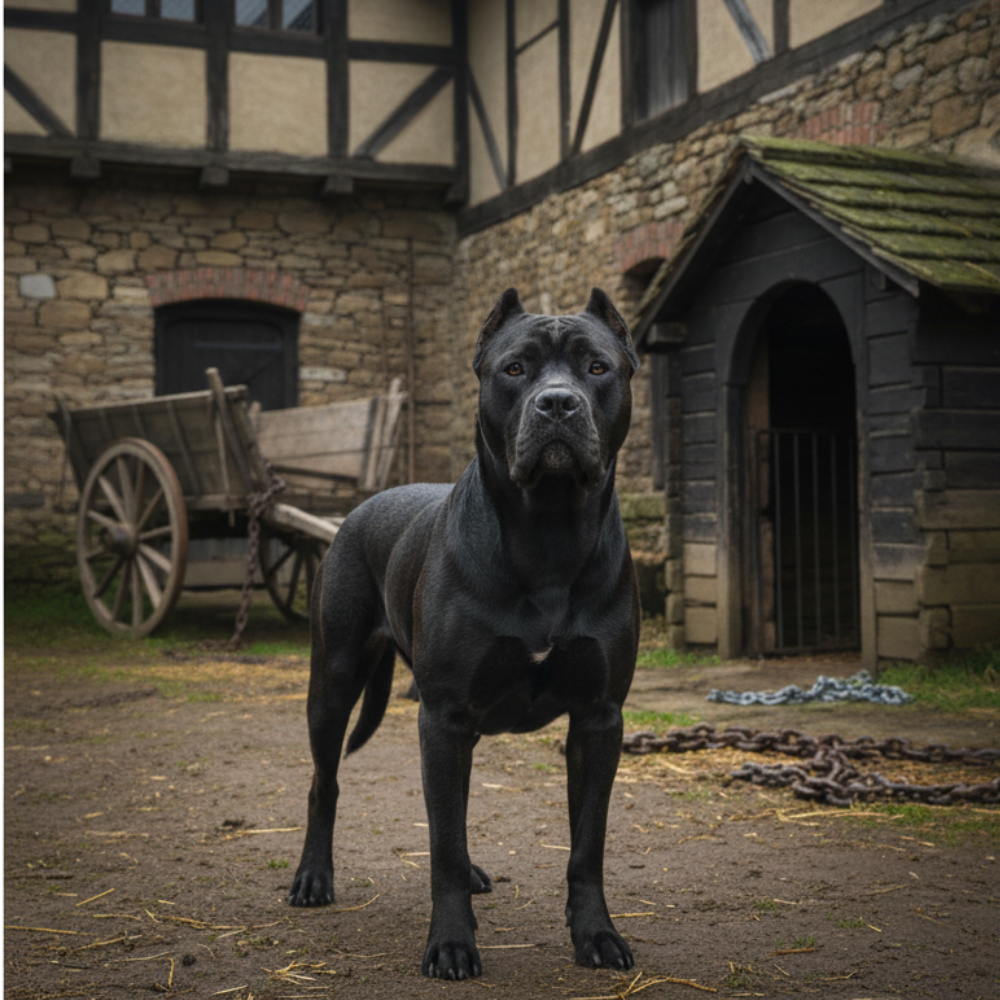
Today, the Bandog is used mainly as a guarding and personal-protection dog, sometimes also as a professional working dog for securing facilities, businesses, and private homes. Thanks to its high trainability and its loyal nature, it also functions as an excellent companion dog — but only when it receives guidance, clear boundaries, and socialization from a young age. This is a dog that was meant to work, not “for decoration”, so it is important to provide it with daily occupation and purpose.
Tips for Training and Educating the Breed
-
Ensure early socialization – controlled exposure from a young age will prevent overly protective behavior and develop balanced confidence.
-
Maintain consistency and clear discipline – the Bandog needs to understand who the leader is; clear boundaries will prevent dominant behavior.
-
Combine strength training with discipline training – it enjoys physical tasks (such as weight pulling) but also mental training and obedience exercises.
-
Avoid boredom – lack of stimulation will lead to frustration and destructive behavior. Daily activity is essential for its mental health.