

Alaskan Klee Kai
History and Background
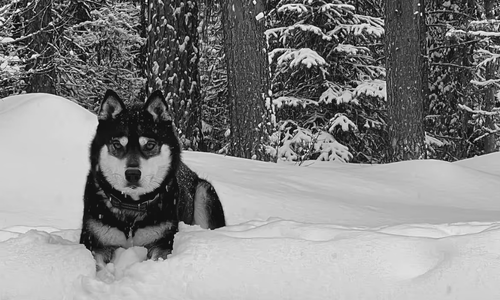
The Alaskan Klee Kai is a relatively young dog breed, developed in the 1970s in the United States. The breed was created with the aim of producing a scaled-down version of the Siberian Husky, one that would be suitable as a companion dog with the appearance of a wolf in smaller dimensions. The name “Klee Kai” in the Inuit (Eskimo) language means “small dog.” The Alaskan Klee Kai was developed from crosses between the Siberian Husky, the Alaskan Husky and additional small breeds such as the Schipperke. The breed gained recognition thanks to its unique appearance and loyal nature.
Breed Details
Easygoing with Training
Shedding
Life Expectancy
Pet-Friendly
Family-Friendly
Breed Size
Breed Size
Family-Friendly
Pet-Friendly
Easygoing with Training
Shedding
Life Expectancy
More Breed Details
Life Expectancy
Life Expectancy
12–16 years

Male Weight
Male Weight
Males and females 7-10 kg
Female Weight
Female Weight
Males and females 7-10 kg

Male Height
Male Height
Males and females 38 - 42 cm
Female Height
Female Height
Males and females 38 - 42 cm

Weather Sensitivity
Weather Sensitivity
Resistant to cold; some sensitivity to high heat

Energy Level
Energy Level
High

Coat Characteristics
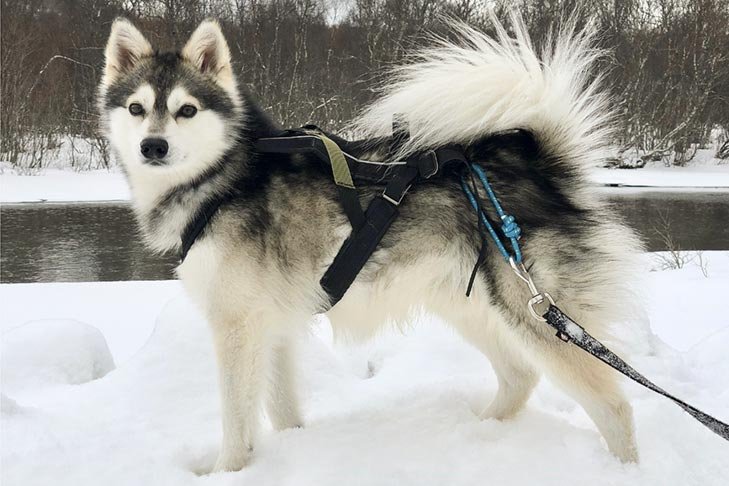
A double, thick and long coat, in varied colors such as white, black, gray and their combinations. The tail is furry and curls over the back

Hereditary Diseases
Hereditary Diseases
A tendency toward hereditary bleeding disorders; early DNA testing is recommended
The Breed's Purpose Today
Today, the Alaskan Klee Kai serves mainly as a companion dog for families and individuals looking for a small dog with the appearance of a Husky and an energetic nature. The breed is suited to sporting activities such as agility, hikes and running, and also excels as a guard dog thanks to its alertness. However, because of its active nature, it requires owners who are willing to invest time in physical activity and training.
Tips for Training and Educating the Breed
- Early socialization: It is important to expose the dog to a variety of people, animals and environments from a young age in order to prevent shyness or fear of strangers.
- Consistent and positive training: Using positive reinforcement and consistency will help in coping with its tendency toward independence.
- Physical and mental activity: The breed requires strenuous daily activity, including walks, games and mental exercises, in order to prevent boredom and destructive behavior.
- Coat grooming: The coat should be brushed regularly, especially during shedding periods, in order to maintain a tidy appearance and skin health.
The Alaskan Klee Kai is a loyal, intelligent and energetic dog, suited to owners who are willing to invest in its training, grooming and appropriate physical activity.