

Belgian Malinois
History and Background
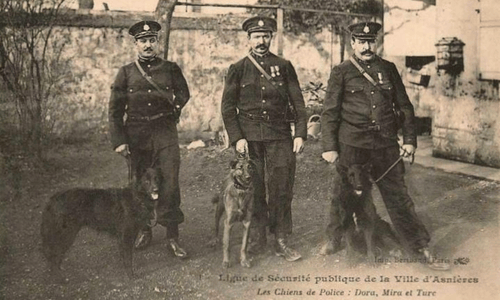
The Belgian Malinois is one of the four types of Belgian Shepherd, alongside the Groenendael, Tervuren and Laekenois. It originates in the town of Malines in Belgium, where it was developed in the early 19th century as a working dog, especially for sheep herding and guarding. The breed was first recognized in 1891 and it gained wide recognition for its intelligent, loyal and efficient nature. During the 20th century, the Malinois became a sought-after breed in the military and police world thanks to its agility, its developed scenting abilities and its uncompromising nature at work.
Breed Details
Easygoing with Training
Shedding
Life Expectancy
Pet-Friendly
Family-Friendly
Breed Size
Breed Size
Family-Friendly
Pet-Friendly
Easygoing with Training
Shedding
Life Expectancy
More Breed Details
Life Expectancy
Life Expectancy
12–14 years

Male Weight
Male Weight
Males: 25–30 kg
Female Weight
Female Weight
Females: 20–25 kg

Male Height
Male Height
Males: 60–66 cm
Female Height
Female Height
Females: 56–61 cm

Weather Sensitivity
Weather Sensitivity
Adapted to a cool climate but can adapt to hot conditions with proper care

Energy Level
Energy Level
High

Coat Characteristics
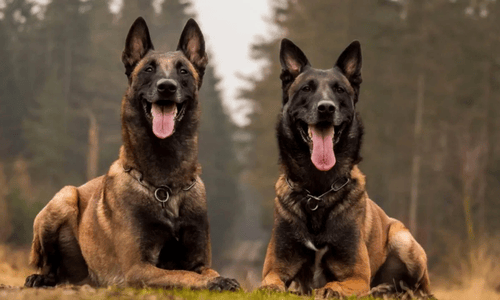
A short, straight and dense coat. Its color is reddish-brown with a black mask on the face

Hereditary Diseases
Hereditary Diseases
A tendency toward hip dysplasia and eye problems, including retinal atrophy
The Breed's Purpose Today
Today, the Malinois serves as a valued working dog in many fields, including police and military work, drug and explosives detection, search and rescue tasks, and guarding facilities. In addition, the breed has also become popular as a companion dog for active families, thanks to its loyal and friendly nature.
Tips for Training and Educating the Breed
- Early socialization: Exposing the puppy to a variety of people, animals and environments will help build self-confidence and friendly behavior.
- Use of positive reinforcement: Using treats, praise and games will motivate the dog to learn and carry out commands.
- Daily physical activity: The dog needs intensive physical activity, such as running, frisbee games or obedience exercises, to prevent boredom.
- Consistent training: Due to its high intelligence and energy, the Malinois requires daily training and the setting of clear boundaries.
- Challenging tasks: Providing challenging tasks, such as searching for toys or complex exercises, will help keep it engaged and prevent behavioral problems.
The Malinois is an outstanding working dog and a loyal companion, combining high intelligence, tireless energy and boundless loyalty. With proper training and environment, it can be a wonderful addition to any active family.

