

Bloodhound
History and Background
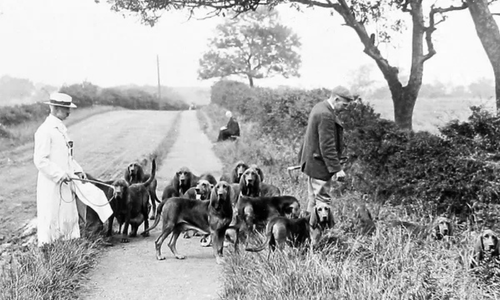
The Bloodhound is a large dog breed originating in Belgium, where it was developed as a hunting and tracking dog with an exceptional sense of smell. The breed was documented as early as the 7th century, when monks at the Saint-Hubert Monastery bred it for hunting and tracking purposes. Later, the Bloodhound was brought to England, where it continued to serve as a hunting dog and for tracking criminals and missing persons. Its name derives from the term “blooded hound,” referring to the purity of the breed.
Breed Details
Easygoing with Training
Shedding
Life Expectancy
Pet-Friendly
Family-Friendly
Breed Size
Breed Size
Family-Friendly
Pet-Friendly
Easygoing with Training
Shedding
Life Expectancy
More Breed Details
Life Expectancy
Life Expectancy
7–10 years

Male Weight
Male Weight
Males 46–54 kg
Female Weight
Female Weight
Females 40–48 kg

Male Height
Male Height
Males 64–69 cm
Female Height
Female Height
Females 58–64 cm

Weather Sensitivity
Weather Sensitivity
Sensitive to high heat; it is recommended to avoid prolonged exposure to the sun

Energy Level
Energy Level
High

Coat Characteristics
Short, dense coat, in black-and-tan, liver-red, or tawny-brown

Hereditary Diseases
Hereditary Diseases
A tendency toward hip dysplasia, eye problems, and gastric torsion (bloat)
The Breed's Purpose Today
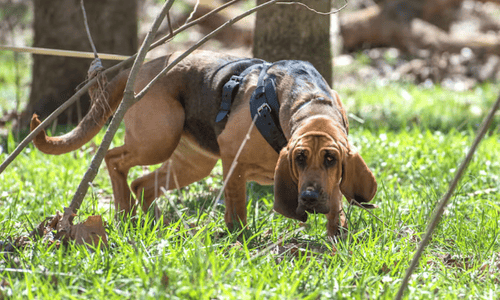
The Bloodhound is used today as a tracking and trailing dog for law enforcement and rescue agencies, thanks to its highly developed sense of smell. In addition, it serves as a loyal companion dog, especially for families with a large yard and the ability to provide it with sufficient physical activity.
Tips for Training and Educating the Breed
- Early socialization: It is important to expose the Bloodhound to a variety of people, animals, and environments from a young age in order to develop friendly and confident behavior.
- Consistent, positive training: Using positive reinforcement, such as treats and praise, will aid learning and reinforce the desired behavior.
- Daily physical activity: The Bloodhound needs daily physical and mental activity, such as long walks and play, to prevent boredom and destructive behavior.
- Clear leadership: The breed needs an owner who demonstrates confident and consistent leadership while setting clear boundaries.
The Bloodhound is a large, loyal dog with an exceptional sense of smell, suited to active families or to people experienced in raising dogs. With attention to training, socialization, and sufficient physical activity, it can be an excellent companion and an effective working dog.