

Bull Terrier
History and Background
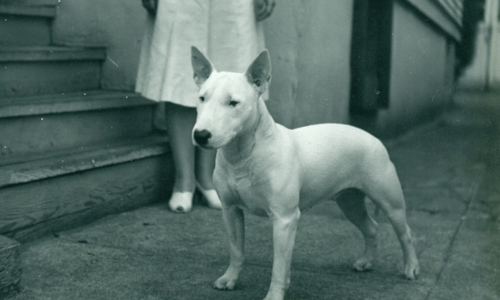
The Bull Terrier is a dog breed originating in England. At the beginning of the 19th century, the breed was developed for the purposes of dog fighting and bull baiting, which were popular at that time. The initial cross included the Old English Bulldog with the Manchester Terrier, with the aim of combining the strength of the bulldog with the agility of the terrier. Later, additional breeds such as the Dalmatian and the Greyhound were introduced in order to improve the appearance and physical abilities of the Bull Terrier. Over time, the breed underwent an image change and went from a fighting dog to a fashionable companion dog, especially among English gentlemen.
Breed Details
Easygoing with Training
Shedding
Life Expectancy
Pet-Friendly
Family-Friendly
Breed Size
Breed Size
Family-Friendly
Pet-Friendly
Easygoing with Training
Shedding
Life Expectancy
More Breed Details
Life Expectancy
Life Expectancy
10–14 years

Male Weight
Male Weight
Males and females 20-29 kg
Female Weight
Female Weight
Males and females 20-29 kg

Male Height
Male Height
Males and females 40-52 cm
Female Height
Female Height
Males and females 40-52 cm

Weather Sensitivity
Weather Sensitivity
Sensitive to extreme cold and heat, and it is recommended to avoid prolonged exposure to extreme weather conditions.

Energy Level
Energy Level
High

Coat Characteristics
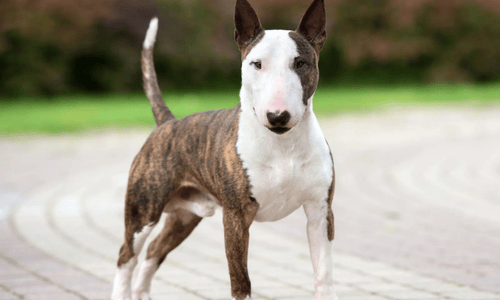
A short, smooth and glossy coat. Coat colors are varied and include white, black, brown, brindle and combinations of these

Hereditary Diseases
Hereditary Diseases
A tendency toward skin problems, deafness (mainly in white dogs), heart and kidney problems
The Breed's Purpose Today
Today, the Bull Terrier serves mainly as a loyal and energetic companion dog. Its friendly and amusing nature makes it an excellent companion for families, especially those who are willing to invest in training and physical activity. However, because of its past as a fighting dog, it is important to insist on early socialization and appropriate training in order to prevent behavior problems.
Tips for Training and Educating the Breed
- Early socialization: It is important to expose the Bull Terrier to a variety of people, animals and environments from a young age in order to develop friendly and confident behavior.
- Consistent and positive training: Using positive reinforcement, such as treats and praise, will help in coping with its natural stubbornness.
- Daily physical activity: The breed requires intensive physical activity, such as long walks, running and games, in order to maintain its health and prevent boredom.
- Clear leadership: The Bull Terrier needs owners who display confident and consistent leadership, while setting clear boundaries.
The Bull Terrier is a loyal, energetic dog with a unique appearance, suited to owners who are willing to invest in its training and grooming. With appropriate attention, it can be a devoted and loving companion.

