
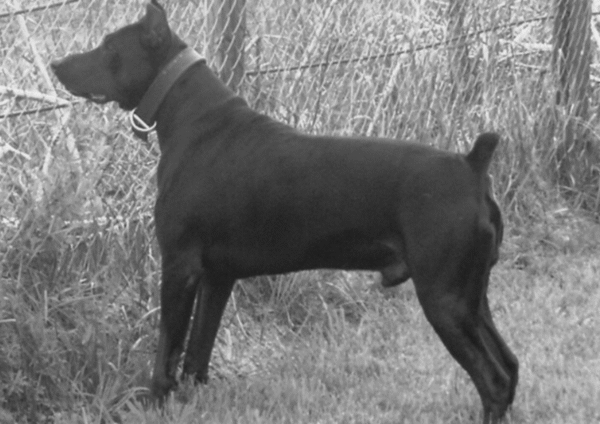

Canis Panther
History and Background
The Canis Panther is a modern American breed, developed in the 1970s by a group of professional trainers in the United States, led by Cleo Cruz. The goal of the development was to create the perfect guard dog – strong, intelligent, balanced, and easy to train. To this end, four main breeds were combined: Doberman, German Shepherd, Mastiff, and Pit Bull Terrier. The result is a powerful dog with an impressive appearance, uncompromising loyalty, and exceptionally high learning ability. The Canis Panther is still not officially recognized by all the major kennel clubs, but is gaining growing popularity among trainers and private homeowners in the United States.
Breed Details
Easygoing with Training
Shedding
Life Expectancy
Pet-Friendly
Family-Friendly
Breed Size
Breed Size
Family-Friendly
Pet-Friendly
Easygoing with Training
Shedding
Life Expectancy
More Breed Details
Life Expectancy
Life Expectancy
10–12 years

Male Weight
Male Weight
50–60 kg
Female Weight
Female Weight
40–50 kg

Male Height
Male Height
66–76 cm
Female Height
Female Height
61–71 cm

Weather Sensitivity
Weather Sensitivity
Sensitive to cold, due to its short coat; it is recommended to provide shelter on cold nights.

Energy Level
Energy Level
High

Coat Characteristics
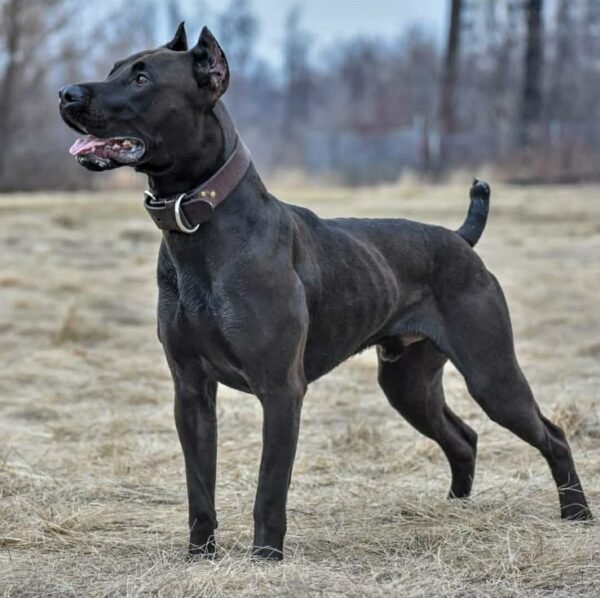
Short, smooth, and dense; common colors – glossy black, dark brown, blue (slate blue), or chocolate.

Hereditary Diseases
Hereditary Diseases
Usually very healthy thanks to controlled breeding, but may suffer from hip dysplasia if not properly exercised.
The Breed's Purpose Today
The Canis Panther is today considered a high-level guarding and obedience dog, sometimes also used as a professional working dog, mainly for securing private areas and homes. However, when raised in a balanced family environment, it becomes a loyal, calm, and protective dog – one that knows how to distinguish between a real threat and everyday situations. Thanks to its high intelligence and the balance between strength and sensitivity, it is also suited to advanced training and security roles.
Tips for Training and Educating the Breed
-
Invest in early socialization – it is important to expose the puppy from a young age to people, dogs, and varied environments in order to maintain emotional stability.
-
Maintain positive and clear discipline – the breed responds excellently to an assertive yet calm approach, with positive reinforcement and consistent communication.
-
Combine mental and physical activity – obedience, tracking, or protection-work training will keep it focused and balanced.
-
Give it a sense of belonging – this is a very pack-oriented dog; a strong bond with its owner is the key to loyalty and to controlling its behavior.

