

Chesapeake Bay Retriever
History and Background
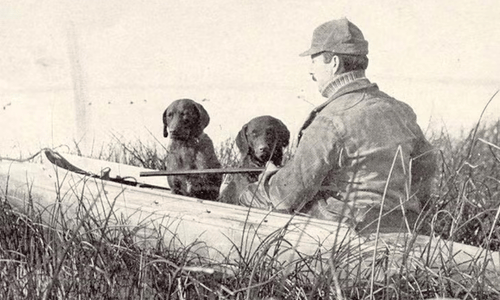
Chesapeake Bay Retriever is an American dog breed developed in the Chesapeake Bay area of Maryland, in the United States, in the early 19th century. This breed was developed as a working dog specializing in locating and retrieving water game such as ducks, in especially harsh conditions of cold and freezing water. The origin of the breed lies in the meeting between Newfoundland-type dogs that were brought to the United States and local breeds such as other retriever dogs. The Chesapeake became known for its physical strength, great endurance, and its distinctive water-resistant coat. In addition to being a talented working dog, it also serves as a devoted and loyal family dog.
Breed Details
Easygoing with Training
Shedding
Life Expectancy
Pet-Friendly
Family-Friendly
Breed Size
Breed Size
Family-Friendly
Pet-Friendly
Easygoing with Training
Shedding
Life Expectancy
More Breed Details
Life Expectancy
Life Expectancy
10-13 years

Male Weight
Male Weight
Males 29-36 kg
Female Weight
Female Weight
Females 25-32 kg

Male Height
Male Height
Males 58-66 cm
Female Height
Female Height
Females 53-61 cm

Weather Sensitivity
Weather Sensitivity
Highly tolerant of cold, sensitive to high heat

Energy Level
Energy Level
High

Coat Characteristics
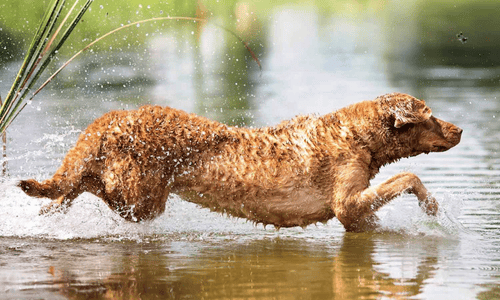
Short and thick, with a dense undercoat and an oily protective coat; main colors: brown, chocolate, sand shades, or straw

Hereditary Diseases
Hereditary Diseases
Hip dysplasia, PRA (progressive retinal atrophy), and joint problems
The Breed's Purpose Today
Today, the Chesapeake Bay Retriever serves mainly as a working dog in rural areas or as a companion dog for families. Thanks to its excellent swimming abilities and its endurance of harsh conditions, it remains popular among hunters who specialize in water hunting. In addition, it participates in canine sports competitions such as agility and obedience. Its loyal character makes it an ideal companion for active families looking for a versatile dog.
Tips for Training and Educating the Breed
- Positive reinforcement: The Chesapeake learns quickly and enjoys cooperating, so praise, treats, and play will be especially effective.
- Early socialization: It is important to expose it to other dogs and people from a young age to ensure that it will be sociable and self-confident.
- Intense physical activity: The breed needs daily activity such as running, swimming, or retrieval games to release energy and maintain its health.
- Mental challenge: Due to its high intelligence, it will enjoy thinking games and mental challenges, such as searching for toys.
- A consistent routine: Maintaining a clear routine will help preserve balance and discipline.

