

Dalmatian
History and Background
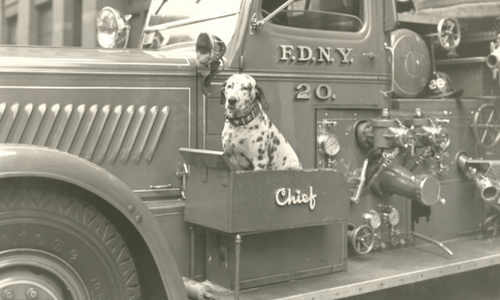
The Dalmatian is a distinctive dog breed, identified mainly by its white coat spotted with black or brown spots. The breed’s origin is attributed to the Dalmatia region of Croatia, hence its name. However, there is evidence of the presence of similar dogs in other areas as well, in Europe, North Africa, and Asia. Throughout history, Dalmatians served in a variety of roles, including hunting dogs, guarding, escorting carriages, and even as firehouse dogs, thanks to their ability to get along with horses and run alongside them.
Breed Details
Easygoing with Training
Shedding
Life Expectancy
Pet-Friendly
Family-Friendly
Breed Size
Breed Size
Family-Friendly
Pet-Friendly
Easygoing with Training
Shedding
Life Expectancy
More Breed Details
Life Expectancy
Life Expectancy
10–13 years

Male Weight
Male Weight
Males 27–32 kg
Female Weight
Female Weight
Females 24–29 kg

Male Height
Male Height
Males 56–61 cm
Female Height
Female Height
Females 54–59 cm

Weather Sensitivity
Weather Sensitivity
Due to their short coat, Dalmatians are sensitive to cold. It is recommended to protect them in cold weather

Energy Level
Energy Level
High

Coat Characteristics
Short, hard, dense coat. The base color is white, with black or brown spots distributed evenly over the body. The puppies are born white, and the spots appear during the first weeks of their lives

Hereditary Diseases
Hereditary Diseases
About 10–12% of Dalmatians are born deaf in one or both ears. Urinary tract problems: a tendency toward the formation of stones in the kidneys and bladder
The Breed's Purpose Today
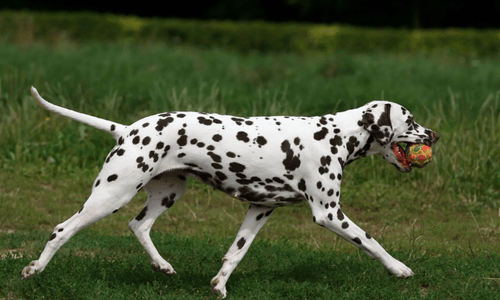
Today, the Dalmatian serves mainly as a loyal and energetic companion dog. It is suited to active families and sports enthusiasts, and participates in agility, obedience, and other canine activities.
Tips for Training and Educating the Breed
- Early socialization: It is important to expose the Dalmatian to a variety of people, animals, and environments from a young age in order to develop friendly and confident behavior.
- Consistent, positive training: Using positive reinforcement, such as treats and praise, will aid learning and reinforce the desired behavior.
- Physical and mental activity: The Dalmatian needs daily activity, such as walks, running, and play, to prevent boredom and destructive behavior.
- Coat care: Regular brushing will help reduce shedding and maintain the appearance of the coat.
The Dalmatian is a medium-sized, intelligent, and energetic dog, suited to active families seeking a loyal and lively companion. With attention to training, socialization, grooming, and sufficient physical activity, it can be a wonderful addition to any home.

