

Lhasa Apso
History and Background
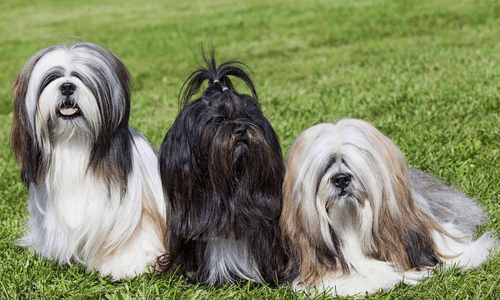
Lhasa Apso is a small dog breed originating in Tibet, where it was used for centuries as a guard dog in monasteries and in the homes of nobility. Its name derives from the name of the city of Lhasa, the capital of Tibet, and the name “Apso” probably refers to the appearance of its long coat, reminiscent of the wool of a Tibetan goat. The Lhasa Apso was considered a sacred dog, symbolizing good luck and happiness. Despite its small size, the breed is known for its courage and alertness, which made it a loyal guardian in monasteries.
Breed Details
Easygoing with Training
Shedding
Life Expectancy
Pet-Friendly
Family-Friendly
Breed Size
Breed Size
Family-Friendly
Pet-Friendly
Easygoing with Training
Shedding
Life Expectancy
More Breed Details
Life Expectancy
Life Expectancy
12-15 years

Male Weight
Male Weight
Males and females: 5-8 kg
Female Weight
Female Weight
Males and females: 5-8 kg

Male Height
Male Height
Males and females: 23-28 cm
Female Height
Female Height
Males and females: 23-28 cm

Weather Sensitivity
Weather Sensitivity
Good resistance to cold, but sensitive to high heat and humidity

Energy Level
Energy Level
High

Coat Characteristics
Long, straight, and dense coat, with a soft texture. Common colors: golden, white, black, gray, and color combinations.

Hereditary Diseases
Hereditary Diseases
Tendency toward eye problems, such as cataracts and inflammation. Patellar luxation (knees). Mild breathing problems due to the slightly flat facial structure.
The Breed's Purpose Today
Today, the Lhasa Apso is used mainly as a companion dog thanks to its sociable and devoted nature. It is especially suited to families looking for a small dog with a big personality. Thanks to its alert and brave nature, it can also serve as a small guard dog. The breed is suited to apartment dwellers, but also enjoys a small garden or outdoor space to play in.
Tips for Training and Educating the Breed
- Early socialization: It is important to expose the Lhasa Apso to people, children, and other dogs from a young age to ensure that it remains sociable and self-confident.
- Regular grooming: The long coat should be brushed daily and periodic professional grooming should be provided to maintain a healthy and tidy appearance.
- Consistent training: The breed is independent by nature and sometimes stubborn, so it is important to be consistent and patient during training.
- Moderate physical activity: Short walks and daily play will be enough to release the dog’s energy.
- Clear leadership: The Lhasa Apso needs owners who demonstrate calm leadership, to prevent dominant behavior.

