

Portuguese Sheepdog
History and Background
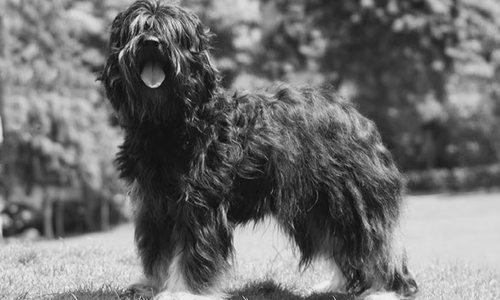
Portuguese Sheepdog, also known as Cão da Serra de Aires, is a dog breed originating in Portugal, especially in the Serra de Aires mountain region. The breed was developed as a versatile herding and working dog, whose purpose was to manage flocks of sheep, cattle, and horses. The Portuguese Sheepdog is known for its excellent herding skills, high intelligence, and independent working ability. It earned the nickname “monkey dog” due to its unique appearance and its abundant energy.
Breed Details
Easygoing with Training
Shedding
Life Expectancy
Pet-Friendly
Family-Friendly
Breed Size
Breed Size
Family-Friendly
Pet-Friendly
Easygoing with Training
Shedding
Life Expectancy
More Breed Details
Life Expectancy
Life Expectancy
12-14 years

Male Weight
Male Weight
Males and females: 17-27 kg
Female Weight
Female Weight
Males and females: 17-27 kg

Male Height
Male Height
Males: 45-55 cm
Female Height
Female Height
Females: 42-52 cm

Weather Sensitivity
Weather Sensitivity
High resistance to cold and moderate heat

Energy Level
Energy Level
High

Coat Characteristics
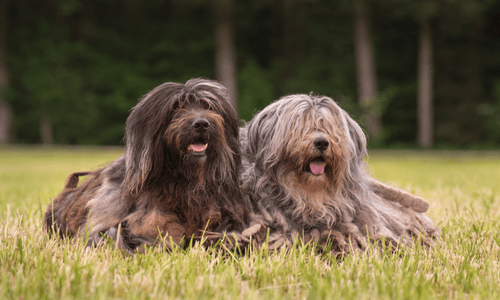
Long coat that is coarse to the touch, usually without an undercoat. Common colors: black, yellow, brown, gray, or brindle

Hereditary Diseases
Hereditary Diseases
Generally good health, but rare cases of hip dysplasia may occur
The Breed's Purpose Today
Today, the Portuguese Sheepdog is used mainly as a herding dog in rural areas in Portugal, but it is also considered an excellent family dog thanks to its loyalty and friendly nature. In addition, the breed is suited to canine sports competitions such as agility, obedience, and herding tasks. It thrives especially in an environment where it has mental and physical stimulation.
Tips for Training and Educating the Breed
- Early socialization: Exposure from a young age to people, dogs, and various environments will help it be sociable and balanced.
- Consistent and varied training: The Portuguese Sheepdog enjoys intellectual challenges, so it is recommended to combine obedience exercises with thinking games.
- Daily physical activity: The breed needs one to two hours of intensive activity a day, such as running or chase games.
- Routine grooming: Its coat requires weekly brushing to prevent tangles and maintain a healthy appearance.
- Calm and confident leadership: The breed needs owners who convey calm yet consistent authority.

