

Pumi
History and Background
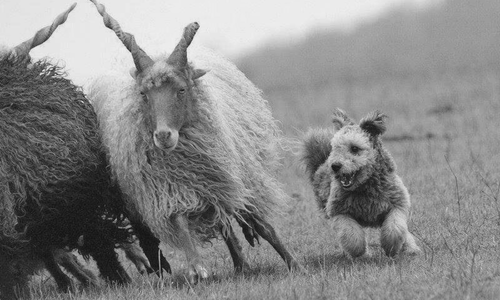
Pumi is a herding dog breed originating in Hungary, considered one of the most energetic and sociable herding breeds. The Pumi developed in the 17th century as a result of crosses between local dogs and Western European breeds, such as terriers. Its traditional role was herding sheep and cattle, thanks to its agility, high intelligence, and alert, attentive character. Its bouncy and energetic character, together with its distinctive appearance – a curly, upright coat – made it beloved by families and farmers alike.
Breed Details
Easygoing with Training
Shedding
Life Expectancy
Pet-Friendly
Family-Friendly
Breed Size
Breed Size
Family-Friendly
Pet-Friendly
Easygoing with Training
Shedding
Life Expectancy
More Breed Details
Life Expectancy
Life Expectancy
12-14 years

Male Weight
Male Weight
Males 10-15 kg
Female Weight
Female Weight
Females 8-13 kg

Male Height
Male Height
Males 41-47 cm
Female Height
Female Height
Females 38-44 cm

Weather Sensitivity
Weather Sensitivity
Tolerant of moderate cold, sensitive to high heat

Energy Level
Energy Level
High

Coat Characteristics
Curly, dense coat of medium texture; main colors: gray, black, white, or yellowish-brown

Hereditary Diseases
Hereditary Diseases
Hip dysplasia, eye diseases, and a genetic sensitivity to certain medications (MDR1)
The Breed's Purpose Today
The Pumi is used today both as a herding dog and as an energetic and intelligent companion dog. It fits in well with active families who are able to provide it with physical and mental stimulation. In addition, the breed excels in canine sports competitions, such as agility and obedience, thanks to its athletic abilities and desire to please its owner.
Tips for Training and Educating the Breed
- Making use of intelligence: The Pumi loves to learn, so it is important to incorporate advanced training and thinking challenges.
- Positive reinforcement: The dog responds well to praise, rewards, and play, which strengthens cooperation in training.
- Intense activity: Daily time must be devoted to physical activity, such as walks, running, or exercises in an open area.
- Early socialization: Exposure to people and other dogs will help it adapt and be sociable.
- Regular grooming: Its coat should be brushed regularly to maintain its unique texture and avoid tangles.