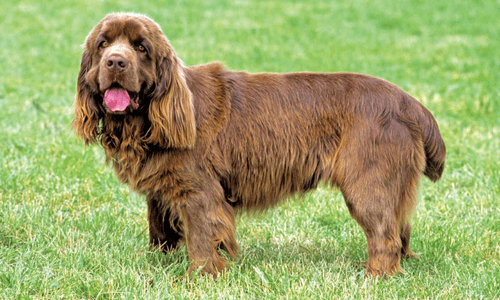
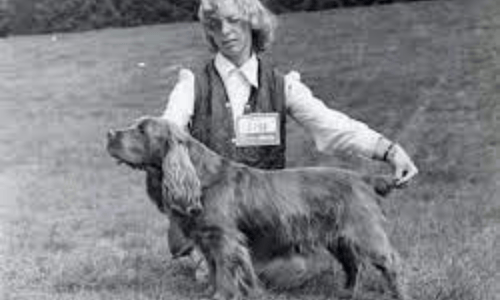

Sussex Spaniel

History and Background

The Sussex Spaniel is a breed originating in the county of Sussex in southern England. The breed was developed in the 19th century as a special hunting dog, designed to work in the dense and tangled hunting grounds of the region. Its main role was to flush hidden birds from the bushes and work closely alongside hunters. This breed was renowned for its loyalty, its diligence, and its distinctive voice known as the “hunting bark”, which helped hunters locate it during the hunt. During the World Wars the breed was nearly wiped out, but thanks to dedicated breeders it was restored and returned to awareness. Today, it is relatively rare, but is esteemed among dog lovers and hunters alike.

Breed Details

Easygoing with Training

Easygoing

Shedding

Moderate Shedding

Life Expectancy

12-15 years

Pet-Friendly

Yes

Family-Friendly

Needs an Active Family

Breed Size

Medium

Breed Size

Medium

Family-Friendly

Needs an Active Family

Pet-Friendly

Yes

Easygoing with Training

Easygoing

Shedding

Moderate Shedding

Life Expectancy

12-15 years

More Breed Details

The Breed's Purpose Today

Today, the Sussex Spaniel serves mainly as a loyal, friendly and sociable family dog. Its relatively calm nature and its ability to get along with children and other animals make it an excellent choice for families. In addition, thanks to its strong sense of smell and its natural instincts, the breed is still used in certain cases as a hunting dog or as a working dog for locating and retrieving items in open areas.

Tips for Training and Educating the Breed

  • Positive reinforcement – The Sussex Spaniel responds well to praise and rewards. It is important to avoid harsh training methods, which may harm its self-confidence.
  • Socialization from a young age – Expose it to different people and animals to encourage natural communication and sociability.
  • Training in basic discipline – Due to its tendency to work in a team, it learns basic commands quickly, especially if practiced with consistently.
  • Daily activity – It is important to incorporate daily walks or games, but not to overdo the physical effort in order to prevent excessive fatigue.
  • Regular brushing and grooming – To keep its coat healthy and well-groomed, brush it regularly and make sure the ears are clean, as it tends to accumulate dirt in these areas.
עסק של מילואימניק ספק מורשה של משרד הביטחון