

Spinone Italiano
History and Background
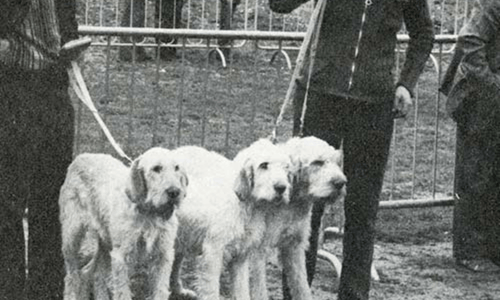
Spinone Italiano is a versatile hunting dog breed originating in Italy, considered one of the oldest hunting breeds in Europe. Its name comes from the Italian word “spino,” meaning thorn, because it was well suited to working in bushes and thorny areas. The breed was used for hunting mainly in difficult terrain, thanks to its hardiness, endurance, and highly developed sense of smell. The Spinone is known for its easygoing and sociable character, which has made it a perfect companion dog. Although it was very popular in the past, the breed nearly became extinct during the World Wars, but managed to recover thanks to the efforts of dedicated breeders.
Breed Details
Easygoing with Training
Shedding
Life Expectancy
Pet-Friendly
Family-Friendly
Breed Size
Breed Size
Family-Friendly
Pet-Friendly
Easygoing with Training
Shedding
Life Expectancy
More Breed Details
Life Expectancy
Life Expectancy
12-14 years

Male Weight
Male Weight
Males 34-39 kg
Female Weight
Female Weight
Females 29-34 kg

Male Height
Male Height
Males 60-70 cm
Female Height
Female Height
Females 58-65 cm

Weather Sensitivity
Weather Sensitivity
Tolerant of cold, sensitive to high heat

Energy Level
Energy Level
High

Coat Characteristics
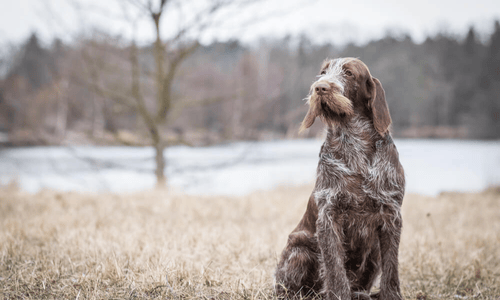
Hard, water-resistant coat; main colors: white, white with orange patches, orange-brown, or brown roan

Hereditary Diseases
Hereditary Diseases
Hip dysplasia, cataracts, and eye problems such as entropion and ectropion
The Breed's Purpose Today
Today, the Spinone Italiano serves mainly as a family companion dog and as a hunting dog in certain places. Thanks to its easygoing and sociable character, it is very well suited to families with children or other animals. In addition, it is highly valued at dog shows and in the field of canine sports. The Spinone is known for its ability to adapt easily to home life, provided it gets enough daily physical activity.
Tips for Training and Educating the Breed
- Positive reinforcement: The Spinone responds well to reward- and praise-based training. It is sensitive, so harsh approaches should be avoided.
- Exposure from a young age: Early socialization will help it get used to a variety of environments, people, and animals.
- Training combined with physical activity: The breed enjoys training that combines running, swimming, and games that require focus, which will suit its natural hunting instinct.
- A fixed routine: The breed responds well to routine, so it is recommended to set fixed times for training, activity, and play.
- Mental challenge: Due to its intelligence, thinking games will help keep it satisfied and balanced.