

Pointer
History and Background
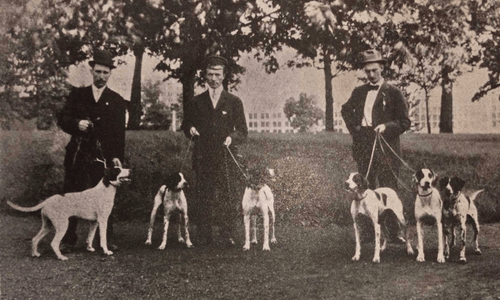
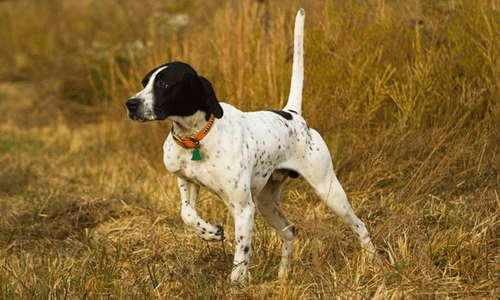
Pointer is an ancient English hunting dog breed, known for its “pointing” trait: precisely indicating the location of the prey through a characteristic body posture, standing upright with head and face turned toward the quarry and tail extended. This breed was developed as a working dog as early as the 17th century, and is considered one of the most efficient hunting breeds. The Pointer was especially popular among bird hunters, thanks to its keen sense of smell, impressive endurance, and its ability to work over long periods in harsh conditions. Today, alongside its traditional uses, it is considered an active and sociable companion dog.
Breed Details
Easygoing with Training
Shedding
Life Expectancy
Pet-Friendly
Family-Friendly
Breed Size
Breed Size
Family-Friendly
Pet-Friendly
Easygoing with Training
Shedding
Life Expectancy
More Breed Details
Life Expectancy
Life Expectancy
12-14 years

Male Weight
Male Weight
Males 25-34 kg
Female Weight
Female Weight
Females 20-30 kg

Male Height
Male Height
Males 63-69 cm
Female Height
Female Height
Females 58-64 cm

Weather Sensitivity
Weather Sensitivity
Tolerant of moderate heat, sensitive to cold

Energy Level
Energy Level
High

Coat Characteristics
Short, smooth coat lying close to the body; main colors: white with patches or spots in brown, black, lemon, or orange

Hereditary Diseases
Hereditary Diseases
Hip dysplasia, eye diseases such as PRA (progressive retinal atrophy), and epilepsy
The Breed's Purpose Today
Today, the Pointer serves mainly as a hunting dog in locating and retrieving work, but also as an energetic and loyal companion dog. In many countries it continues to work in hunting fields, but it also performs well in sporting competitions such as agility and obedience, thanks to its ability to learn quickly and its elegant movements. The Pointer is suited to families with an active lifestyle, since it needs plenty of physical and mental activity.
Tips for Training and Educating the Breed
- Positive reinforcement: Use rewards and praise to maintain the Pointer’s high level of motivation.
- Plenty of daily activity: The breed needs daily physical training such as running, long walks, or games in open areas.
- Early socialization: Exposure from a young age to people, dogs, and new environments will help it feel comfortable in a varied environment.
- Focus training: Pointers excel at mental tasks that require concentration, such as scent detection or hunting games.
- A clear routine: It is important to incorporate training as part of a daily routine, since the Pointer learns better in an organized environment.