

Foxhound
History and Background
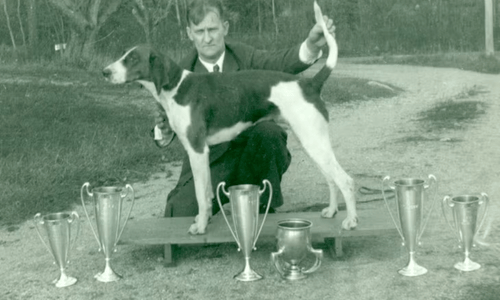
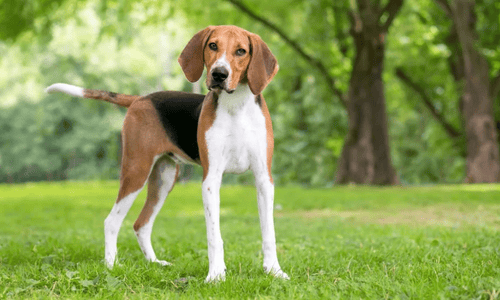
Foxhound is an English dog breed created in the 16th century to assist in fox hunting. This breed is known for its hardy character, keen sense of smell, and ability to run long distances. The Foxhound was developed from a combination of local hunting dogs and breeds such as the Greyhound and Bulldog, with the goal of creating a dog capable of coping with open terrain and searching for prey for hours. Today there are two main types of Foxhound: English Foxhound and American Foxhound, with small differences in body structure and hunting abilities.
Breed Details
Easygoing with Training
Shedding
Life Expectancy
Pet-Friendly
Family-Friendly
Breed Size
Breed Size
Family-Friendly
Pet-Friendly
Easygoing with Training
Shedding
Life Expectancy
More Breed Details
Life Expectancy
Life Expectancy
10-13 years

Male Weight
Male Weight
English Foxhound: 25-34 kg
Female Weight
Female Weight
American Foxhound: 29-34 kg

Male Height
Male Height
English Foxhound: 53-64 cm
Female Height
Female Height
American Foxhound: 58-64 cm

Weather Sensitivity
Weather Sensitivity
Tolerant of moderate cold, sensitive to high heat

Energy Level
Energy Level
High

Coat Characteristics
Short, dense, and smooth; a variety of colors including black, white, brown, and combinations thereof

Hereditary Diseases
Hereditary Diseases
Hip dysplasia, ear problems, and gastric torsion (GDV)
The Breed's Purpose Today
Today, the Foxhound serves mainly as a hunting and tracking dog. In certain countries it is also used as an athlete in running and locating competitions, thanks to its endurance and keen sense of smell. Its friendly character also makes it a companion dog for active families, but it requires open space for physical activity and to release energy.
Tips for Training and Educating the Breed
- Patience and consistency: The Foxhound is independent by nature, so training requires a patient and consistent approach.
- Positive reinforcement: Use rewards and praise to maintain its cooperation during training.
- Plenty of physical activity: The breed needs intense daily activity, such as running, long walks, and games in open spaces.
- Early socialization: Exposure from a young age to people, dogs, and different environments will help it be relaxed and balanced.
- Making use of natural instincts: Hunting and scent-detection games will make it feel satisfied and will improve its trainability.