
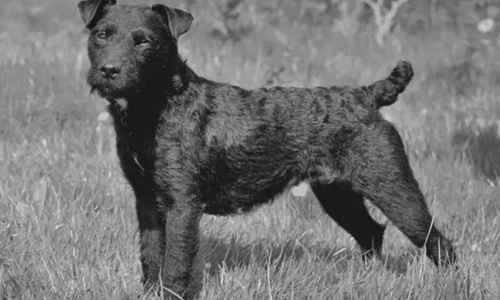

Patterdale Terrier
History and Background
Patterdale Terrier is a small but strong English terrier breed, originating in the Lake District of northern England, particularly in the village of Patterdale, from which it takes its name. The breed was developed in the 20th century as a working dog specializing in hunting small animals such as foxes and badgers, thanks to its small size, flexibility, and courage. The Patterdale Terrier differs from most terriers in that it was selected mainly according to its working skills and not according to its appearance. Its energetic and independent character makes it an excellent working dog and also an active companion dog.
Breed Details
Easygoing with Training
Shedding
Life Expectancy
Pet-Friendly
Family-Friendly
Breed Size
Breed Size
Family-Friendly
Pet-Friendly
Easygoing with Training
Shedding
Life Expectancy
More Breed Details
Life Expectancy
Life Expectancy
12-15 years

Male Weight
Male Weight
Males and females 5-7 kg
Female Weight
Female Weight
Males and females 5-7 kg

Male Height
Male Height
Males and females 25-38 cm
Female Height
Female Height
Males and females 25-38 cm

Weather Sensitivity
Weather Sensitivity
Tolerant of moderate cold, sensitive to high heat

Energy Level
Energy Level
High

Coat Characteristics
Short or coarse, dense and waterproof. Main colors: black, brown, red, or a combination with white patches

Hereditary Diseases
Hereditary Diseases
Eye problems (such as cataracts) and a genetic sensitivity to joint problems
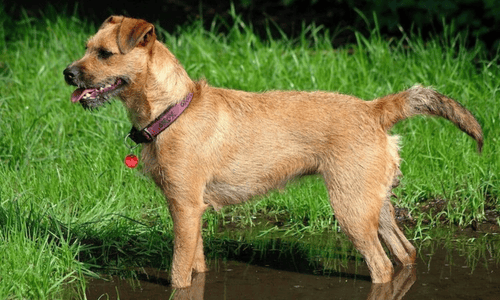
The Breed's Purpose Today
Today, the Patterdale Terrier serves mainly as a hunting dog, especially in rural areas, thanks to its strength, endurance, and courage. At the same time, it is also suited as a companion dog for active people or families who love spending time in nature. The breed is less common in cities or among less active families, since it needs plenty of physical and mental stimulation.
Tips for Training and Educating the Breed
- A consistent and patient approach: The Patterdale Terrier is independent by nature, so it is important to maintain a clear and consistent routine in training.
- Positive reinforcement: Use rewards, treats, and play to maintain its cooperation.
- Intense daily activity: The breed needs plenty of physical activity, such as running, walks, and games in an open area.
- Early socialization: Exposure from a young age to other dogs, people, and different environments will prevent territorial behavior.
- Interactive games: The Patterdale loves hunting games or physical challenges, so games that simulate its historical purpose should be incorporated.