

Australian Terrier: Breed Profile & Care Guide
History and Background
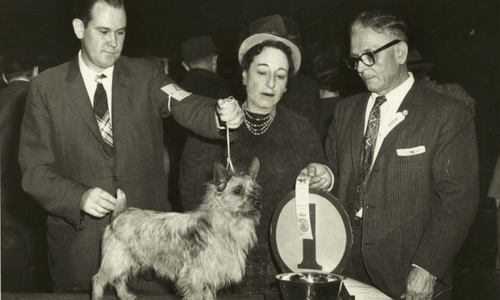
The Australian Terrier, one of the first breeds developed in Australia, was created in the 19th century for the purposes of hunting rodents and snakes, as well as being a guard and companion dog. The breed developed from crosses between British terriers brought to Australia, including the Yorkshire Terrier and the Scottish Terrier. The Australian Terrier was officially recognized as a separate breed in 1933.
Breed Details
How Easygoing is the Australian Terrier with Training?
Shedding
Life Expectancy
Pet-Friendly
Family-Friendly
Breed Size
Breed Size
Family-Friendly
Pet-Friendly
Easygoing with Training
Shedding
Life Expectancy
More Breed Details
Life Expectancy
Life Expectancy
12–15 years

What is the Weight of an Australian Terrier?
Male Weight
Males and females 5–7 kg
What is the Weight of an Australian Terrier?
Female Weight
Males and females 5–7 kg

What is the Height of an Australian Terrier?
Male Height
Males and females 23–28 cm
What is the Height of an Australian Terrier?
Female Height
Males and females 23–28 cm

Weather Sensitivity
Weather Sensitivity
Adapted to a variety of climates, but prolonged exposure to extreme heat should be avoided

Energy Level
Energy Level
High

Coat Characteristics
A harsh, straight outer coat, with a soft undercoat. Coat colors include blue-and-tan, red, or sandy

Hereditary Diseases
Hereditary Diseases
The breed is considered relatively healthy, but it may suffer from skin problems and allergies
The Breed's Purpose Today
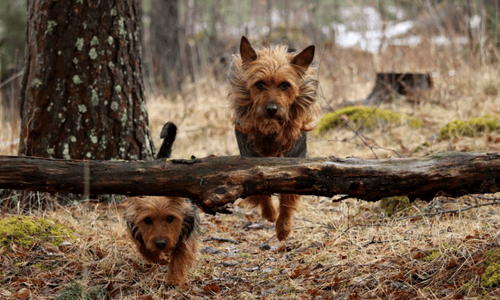
Today, the Australian Terrier serves mainly as a loyal companion dog for families, but it retains its hunting instinct and alertness, which makes it an excellent guard dog. The breed is particularly suited to active families seeking a small dog with a lively character.
Tips for Training and Educating the Breed
- Early socialization: It is important to expose the Australian Terrier to a variety of people, animals, and environments from a young age in order to prevent aggressive or shy behavior.
- Consistent, positive training: Using positive reinforcement, such as treats and praise, will aid learning and reinforce the desired behavior.
- Physical activity: The Australian Terrier needs daily activity, such as walks, play, and obedience exercises, to prevent boredom and destructive behavior.
- Clear leadership: The breed needs an owner who demonstrates confident and consistent leadership, with clear boundaries and a loving attitude.
The Australian Terrier is a small, lively, and loyal dog, suited to families seeking an active and loving companion. With appropriate training and socialization, it can be a wonderful addition to any home.