

Bully Kutta Dog Breed: History, Temperament & Training Guide
History and Background
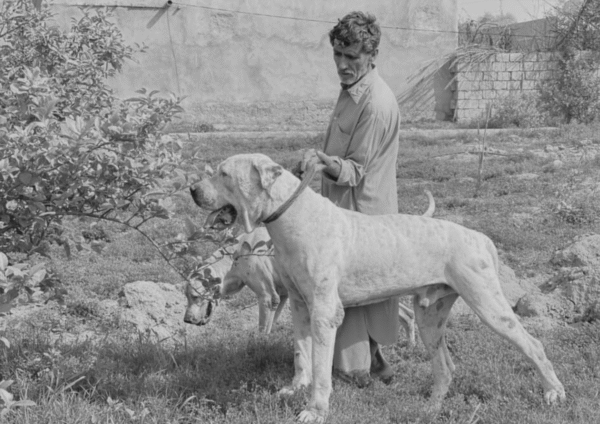
The Bully Kutta is a giant breed originating in India and Pakistan, where it was originally bred as a guarding, fighting, and large-game hunting dog. Its name comes from the word “Bully”, meaning “molosser” or “heavy-built”, and “Kutta”, which simply means “dog” in the local languages. This is a breed with a powerful presence, a dominant character, and an especially muscular and impressive body. Over the years, the Bully Kutta has become a symbol of strength and loyalty, but it also requires great responsibility from the owner due to its strong and independent nature.
Breed Details
Easygoing with Training
Shedding
Life Expectancy
Pet-Friendly
Family-Friendly
Breed Size
Breed Size
Family-Friendly
Pet-Friendly
Easygoing with Training
Shedding
Life Expectancy
More Breed Details
Life Expectancy
Life Expectancy
8–10 years

Male Weight
Male Weight
65–90 kg
Female Weight
Female Weight
60–80 kg

Male Height
Male Height
76–90 cm
Female Height
Female Height
71–84 cm

Weather Sensitivity
Weather Sensitivity
Sensitive to extreme heat. Needs shade and available water. Well resistant to moderate cold.

Energy Level
Energy Level
High

Coat Characteristics
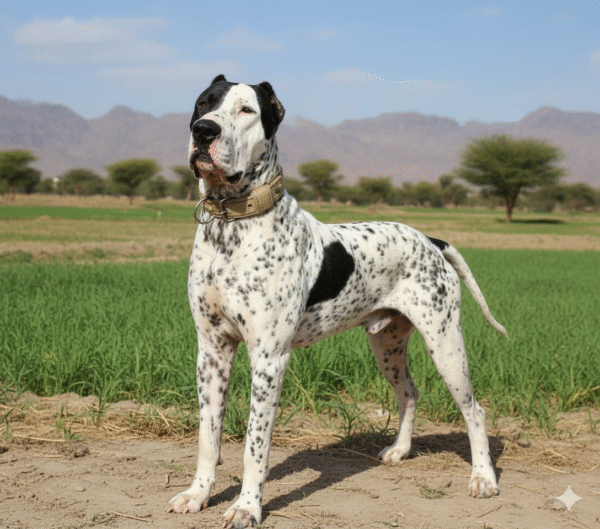
Short, smooth, and close-lying to the body. Common colors – white, brown, brindle, or black-and-white.

Hereditary Diseases
Hereditary Diseases
Tendency toward joint problems, hip and elbow dysplasia, and sometimes also skin problems due to the hot climate.
The Breed's Purpose Today
In the modern world, the Bully Kutta is used mainly as a guarding and loyalty dog for private homes, farms, and open spaces, thanks to its alertness and its exceptional courage. In many Western countries it is also raised as a companion dog, but only in responsible and experienced hands. Due to its physical strength and dominant character, it is not suitable for everyone and requires early socialization, consistent training, and proper environmental management.
Tips for Training and Educating the Breed
-
Start socialization very early – controlled exposure to people, dogs, and various environments from a young age will help prevent overly dominant behavior in adulthood.
-
Maintain consistency and calm authority – the Bully Kutta does not respond to shouting or coercion, but to a quiet and self-confident leader.
-
Give it work and tasks – this breed thrives when it has a clear role: guarding, daily training, or advanced strength and obedience tasks.
-
Ensure daily physical activity – long walks, control games, or weight pulling will keep it balanced and prevent frustration and destructive behavior.

