

Cocker Spaniel
History and Background
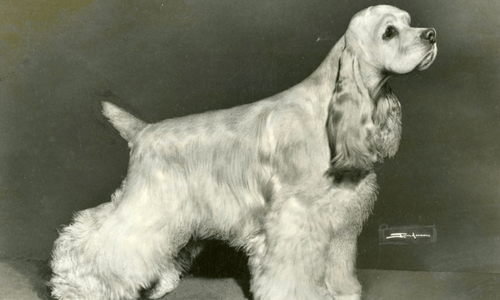
Cocker Spaniel is a popular dog breed originating in Britain. The breed was originally developed as a hunting dog, especially for hunting birds such as woodcock, thanks to its keen sense of smell and its excellent retrieving ability. Its name is derived from the English word “Woodcock,” describing a type of bird that used to be hunted. The Cocker Spaniel became known for its noble appearance and friendly character, which made it one of the most beloved breeds as a family pet. There are two main variations: English Cocker Spaniel and American Cocker Spaniel, which differ from each other mainly in size and structure.
Breed Details
Easygoing with Training
Shedding
Life Expectancy
Pet-Friendly
Family-Friendly
Breed Size
Breed Size
Family-Friendly
Pet-Friendly
Easygoing with Training
Shedding
Life Expectancy
More Breed Details
Life Expectancy
Life Expectancy
12-15 years

Male Weight
Male Weight
English: 13-16 kg
Female Weight
Female Weight
American: 9-13 kg

Male Height
Male Height
English: males 41-43 cm, females 38-41 cm
Female Height
Female Height
American: males 37-39 cm, females 34-37 cm

Weather Sensitivity
Weather Sensitivity
Tolerant of moderate cold, sensitive to high heat

Energy Level
Energy Level
High

Coat Characteristics
Long and silky, with a tendency toward tangles if not cared for. A variety of colors: black, brown, golden, brindle, or a combination of colors

Hereditary Diseases
Hereditary Diseases
A tendency toward ear infections, PRA (progressive retinal atrophy), heart diseases, and joint problems
The Breed's Purpose Today
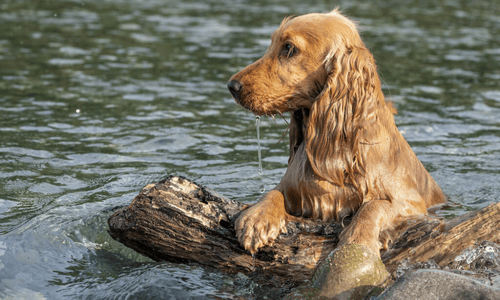
Today, the Cocker Spaniel serves mainly as a loyal and loving family pet. Thanks to its energetic character, it fits in well with active families who enjoy walks and play. In addition, it continues to serve in certain roles as a working dog in hunting or detection tasks.
Tips for Training and Educating the Breed
- Consistent and early training: The Cocker Spaniel learns quickly, but it needs a clear and consistent approach.
- Positive reinforcement: Praise, treats, and play will increase its motivation to cooperate.
- Regular grooming: Daily coat brushing and regular care of its ears will help prevent infections and coat problems.
- Daily physical activity: The breed needs daily walks and active play to maintain physical and mental balance.
- Socialization from a young age: Exposure to other dogs, people, and varied environments will help it be sociable and relaxed.