
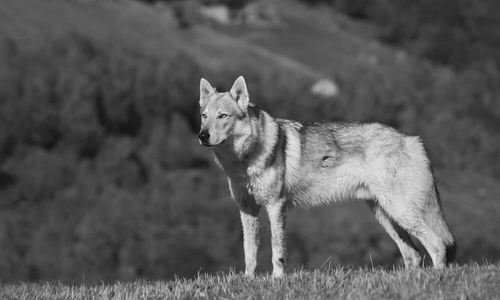

Czechoslovakian Wolfdog: Breed History, Traits & Training Guide
History and Background
The Czechoslovakian Wolfdog also known as the Czech Shepherd, is a modern breed created in 1955 in Czechoslovakia. The breed was developed as part of a biological experiment that began by crossing a German Shepherd with a Carpathian wolf, with the aim of combining the positive traits of both species. The experiment proved that it was possible to raise offspring from the mating of a male dog with a she-wolf, and vice versa. In 1982 the dog was recognized as a national breed in Czechoslovakia.
Breed Details
Easygoing with Training
Shedding
Life Expectancy
Pet-Friendly
Family-Friendly
Breed Size
Breed Size
Family-Friendly
Pet-Friendly
Easygoing with Training
Shedding
Life Expectancy
What are the physical characteristics and health details of the Czechoslovakian Wolfdog?
Life Expectancy
Life Expectancy
12–16 years

Male Weight
Male Weight
Males: at least 26 kg
Female Weight
Female Weight
Females: at least 20 kg

Male Height
Male Height
Males: at least 65 cm
Female Height
Female Height
Females: at least 60 cm

Weather Sensitivity
Weather Sensitivity
Adapted to a variety of climatic conditions, but due to its thick coat, prolonged exposure to extreme heat should be avoided

Energy Level
Energy Level
High

Coat Characteristics
A dense, straight double coat, in colors ranging from yellow-gray to silver-gray, with a typical light mask

Hereditary Diseases
Hereditary Diseases
A tendency toward hip dysplasia
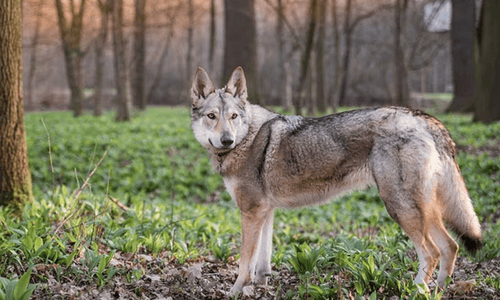
The Breed's Purpose Today
Today, the Czechoslovakian Wolfdog serves as a working dog in a variety of fields, including search and rescue, military and police tasks, as well as a companion dog for active families. Its loyal and intelligent nature makes it an excellent companion, but it requires constant physical and mental activity.
Tips for Training and Educating the Breed
- Early socialization: It is important to expose the dog to a variety of people, animals and environments from a young age to prevent aggressive or shy behavior.
- Consistent, positive training: Using positive reinforcement, such as treats and praise, helps with learning and reinforcing desired behavior.
- Physical and mental activity: The dog needs challenging daily activity, such as walks, running, games and obedience exercises, to prevent boredom and destructive behavior.
- Clear leadership: The breed needs owners who display confident, consistent leadership, with clear boundaries and a loving attitude.
The Czechoslovakian Wolfdog is a medium-to-large, intelligent and loyal dog, suited to families or individuals looking for an active and working companion. With proper training, socialization and activity, it can be a wonderful addition to any home.

