

Dogue de Bordeaux Breed Guide: History, Temperament & Care
History and Background
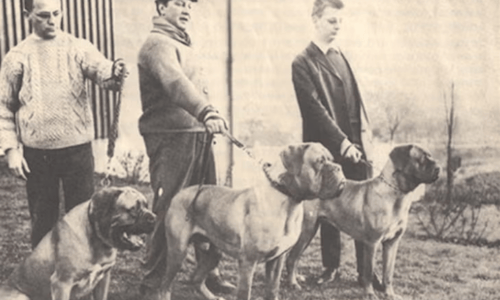
The Dogue de Bordeaux, also known as the French Mastiff, is one of the oldest breeds in France. Its origin most likely lies in Roman war dogs and in mastiffs brought to Europe by Celtic tribes. Throughout history, the Dogue de Bordeaux served in a variety of roles, including hunting large animals, guarding herds and property, and even participating in dog fights. In the 19th century, the breed nearly became extinct, but the efforts of dog enthusiasts in France succeeded in preserving it and bringing it to international recognition.
Breed Details
Does the Dogue de Bordeaux require patience for training?
Shedding
Life Expectancy
Pet-Friendly
Family-Friendly
Breed Size
Breed Size
Family-Friendly
Pet-Friendly
Does the Dogue de Bordeaux require patience for training?
Shedding
Life Expectancy
More Breed Details
Life Expectancy
Life Expectancy
5–8 years

Male Weight
Male Weight
Males 50–68 kg
Female Weight
Female Weight
Females 45–65 kg

Male Height
Male Height
Males: 60–68 cm
Female Height
Female Height
Females 58–66 cm

Weather Sensitivity
Weather Sensitivity
Particularly sensitive to heat; it is recommended to avoid strenuous physical activity in hot weather and to ensure access to cool water and shade

Energy Level
Energy Level
High

Coat Characteristics
Short, soft coat, close-lying to the body. Coat colors range from fawn to mahogany-red, sometimes with white markings on the chest and legs

Hereditary Diseases
Hereditary Diseases
Hip and elbow dysplasia, dilated cardiomyopathy, skin problems, and breathing problems due to the flat facial structure

The Breed's Purpose Today
Today, the Dogue de Bordeaux serves mainly as a loyal companion dog and as a guard dog. Its protective and devoted nature makes it an excellent companion for families seeking a large and brave dog.
Tips for Training and Educating the Breed
- Early socialization: It is important to expose the Dogue de Bordeaux to a variety of people, animals, and environments from a young age in order to develop friendly and confident behavior.
- Consistent, positive training: Using positive reinforcement, such as treats and praise, will aid learning and reinforce the desired behavior.
- Moderate physical activity: The Dogue de Bordeaux needs moderate daily activity, such as short walks, to maintain its health and mood.
- Clear leadership: The breed needs an owner who demonstrates confident and consistent leadership, with defined boundaries and a loving attitude.
The Dogue de Bordeaux is a large, loyal, and protective dog, suited to families seeking a devoted and brave companion. With attention to training, socialization, grooming, and sufficient physical activity, it can be a wonderful addition to any home.