

Dutch Shepherd Dog: History, Traits, and Training Guide
History and Background
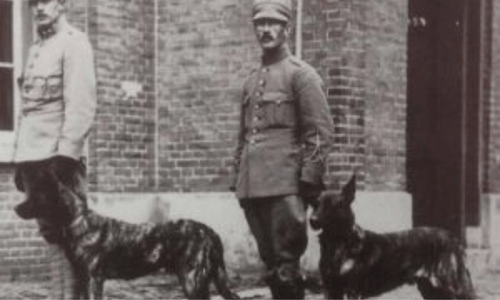
Dutch Shepherd is a smart and versatile dog breed originating in the Netherlands, where it was used mainly as a working dog for farmers. The breed was developed in the 19th century for the purposes of herding, guarding flocks, and protecting property. The Dutch Shepherd became known for its endurance, loyalty, and high learning ability, which also made it suitable for modern tasks such as police work, search and rescue, and canine sports competitions.
Breed Details
Easygoing with Training
Shedding
Life Expectancy
Pet-Friendly
Family-Friendly
Breed Size
Breed Size
Family-Friendly
Pet-Friendly
Easygoing with Training
Shedding
Life Expectancy
What are the specific characteristics and health details of the Dutch Shepherd?
Male Weight
Male Weight
Males and females: 20-32 kg
Female Weight
Female Weight
Males and females: 20-32 kg

Male Height
Male Height
Males: 57-62 cm
Female Height
Female Height
Females: 55-60 cm

Weather Sensitivity
Weather Sensitivity
High resistance to cold and moderate heat

Energy Level
Energy Level
High

Coat Characteristics
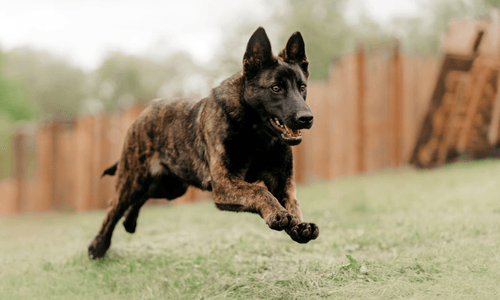
There are three variations: Short: smooth and dense coat. Long: wavy and soft coat. Rough: bristly coat that is hard to the touch. Colors: brindle in shades of gold or silver

Hereditary Diseases
Hereditary Diseases
Tendency toward hip dysplasia, eye problems, and gastric torsion (GDV)
The Breed's Purpose Today
Today, the Dutch Shepherd is used for a variety of tasks, including police work, search and rescue, and as a therapy dog. Thanks to its active and sociable nature, it is also very suitable as a family dog, especially for families with an active lifestyle who can provide it with physical and mental stimulation. The Dutch Shepherd also excels in canine sports competitions such as agility, obedience, and herding tasks.
Tips for Training and Educating the Breed
- Consistent and early training: The Dutch Shepherd responds quickly to training, but it is important to start from a young age to prevent behavioral problems.
- Positive reinforcement: Using praise, treats, and play encourages learning and strengthens the bond with the owner.
- Intensive physical activity: The breed needs at least two hours of daily physical activity, including running, chase games, or long walks.
- Mental challenges: The Dutch Shepherd loves learning new tasks and solving problems, so thinking games and obedience challenges are especially suitable for it.
- Clear leadership: The breed needs owners who convey calm and consistent authority, while behaving in a confident and positive manner.

