

English Mastiff
History and Background
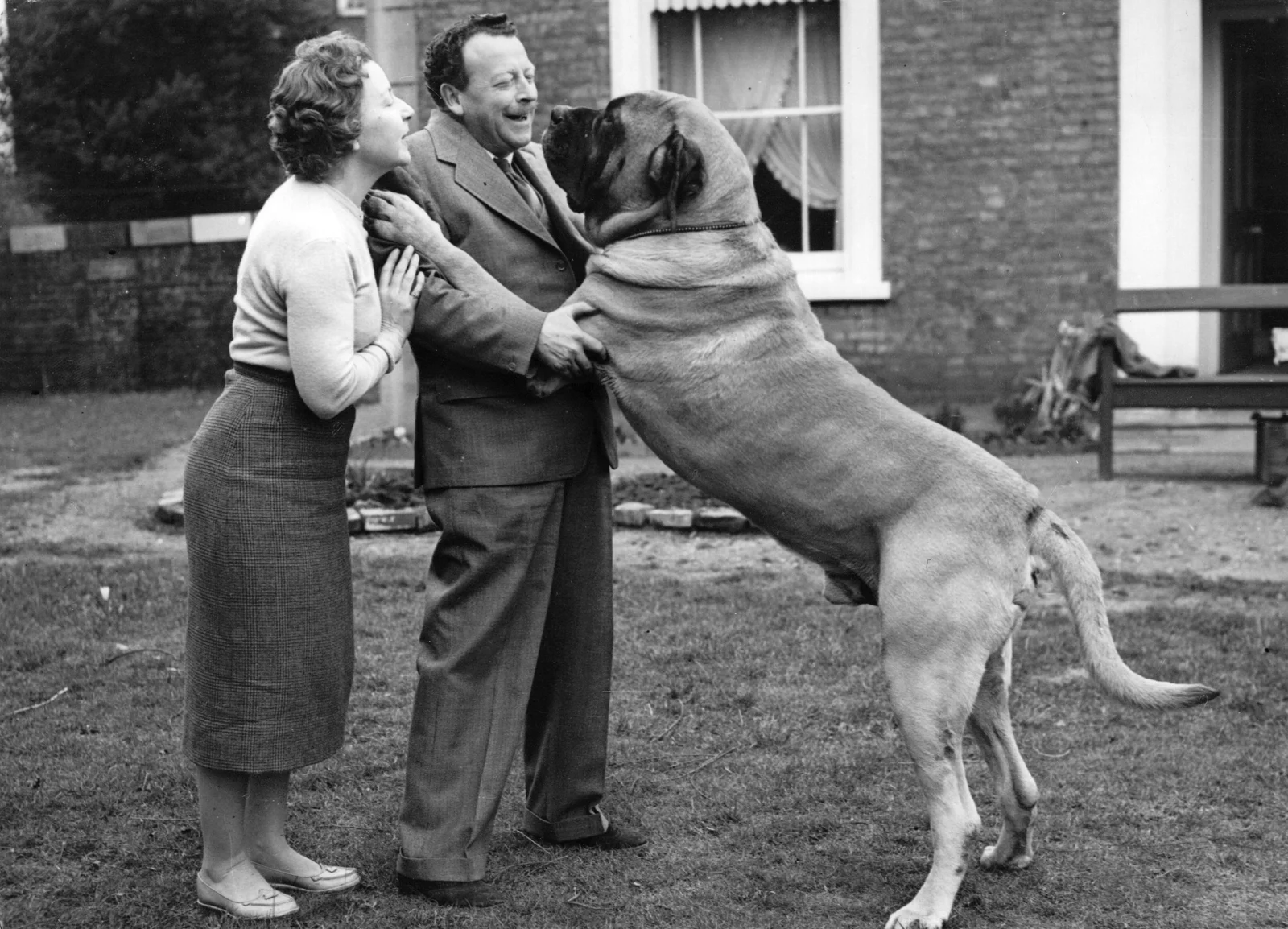
The English Mastiff is one of the oldest and most impressive breeds in the world. It originates in England, where it was used as early as the time of the Roman Empire as a guarding, war, and large-game hunting dog. Over the years, its giant figures also appeared in the castles and estates of the British aristocracy, and served as a symbol of power, loyalty, and protection. Despite its formidable size, today’s English Mastiff is a calm, patient dog that is very devoted to its family.
Breed Details
Easygoing with Training
Shedding
Life Expectancy
Pet-Friendly
Family-Friendly
Breed Size
Breed Size
Family-Friendly
Pet-Friendly
Easygoing with Training
Shedding
Life Expectancy
More Breed Details
Life Expectancy
Life Expectancy
8–10 years

Male Weight
Male Weight
80–115 kg
Female Weight
Female Weight
70–95 kg

Male Height
Male Height
76–91 cm
Female Height
Female Height
70–84 cm

Weather Sensitivity
Weather Sensitivity
Especially sensitive to heat. It is recommended to avoid strenuous activity on hot days.

Energy Level
Energy Level
High

Coat Characteristics
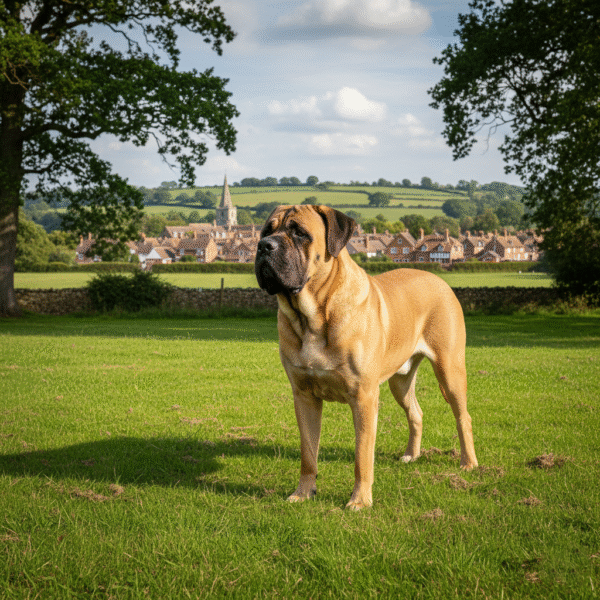
Short, dense, and shiny. Common colors: light brown (fawn), brindle, or silky (apricot), with a black mask on the face.

Hereditary Diseases
Hereditary Diseases
Tendency toward hip and elbow dysplasia, heart problems, and obesity. It is important to maintain a precise diet and moderate activity.
The Breed's Purpose Today
Today, the English Mastiff is used mainly as a guarding and loyal family dog. It is known for its calmness and its exceptional ability to combine enormous physical strength with a gentle and sensitive character. Thanks to its loyalty and balanced nature, it is considered an ideal guard dog for private homes, but it needs space and owners who understand its physical and emotional needs.
Tips for Training and Educating the Breed
-
Start training at a young age – because of the enormous size in adulthood, it is important to set boundaries early and to teach calm walking already as a small puppy.
-
Maintain a stable routine – the Mastiff likes to know what to expect. A fixed daily schedule and calm communication will help it feel secure.
-
Avoid pressure or shouting – this is a breed that is very sensitive to the owner’s tone of voice. Quiet authority will bring far better results.
-
Encourage moderate and regular activity – calm walks, controlled exposure to the environment, and social interaction will prevent behavioral problems.