

German Pointer Breed Guide: History, Characteristics & Training Tips
History and Background
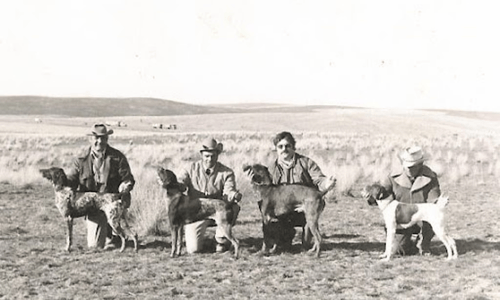
German Pointer is a versatile hunting dog breed originating in 19th-century Germany. The breed was developed with the goal of creating a working dog capable of hunting in varied terrain, from forests to lakes. The German Pointer is known for its ability to combine work on land and in water, and it excels at locating, retrieving, and even pursuing the prey. The breed was created through crosses with ancient German hunting dogs, the English Pointer, and additional breeds. Thanks to its energetic and lively character, together with its loyalty and ease of training, the German Pointer became a popular hunting dog and also a beloved family dog.
Breed Details
How Easygoing is the German Pointer with Training?
What is the German Pointer's Shedding Level?
What is the German Pointer's Life Expectancy?
Is the German Pointer Pet-Friendly?
Is the German Pointer Family-Friendly, and What Kind of Family Does it Need?
What is the German Pointer's Breed Size?
Breed Size
Family-Friendly
Pet-Friendly
Easygoing with Training
Shedding
Life Expectancy
More Breed Details
What is the German Pointer's Life Expectancy?
The German Pointer's life expectancy is typically 12-14 years. With proper care, nutrition, and regular veterinary check-ups, they can live a full and healthy life within this range.

What is the German Pointer's Male Weight Range?
The typical male German Pointer weight range is 25-32 kg. This robust build contributes to their athletic and powerful physique.
What is the German Pointer's Female Weight Range?
The typical female German Pointer weight range is 20-27 kg. Females are generally slightly smaller than males, maintaining the breed's athletic build.

What is the German Pointer's Male Height Range?
The typical male German Pointer height range is 58-64 cm. This height contributes to their agile and powerful stature.
What is the German Pointer's Female Height Range?
The typical female German Pointer height range is 53-59 cm. Females are generally slightly shorter than males, maintaining the breed's athletic proportions.

What is the German Pointer's Weather Sensitivity?
The German Pointer is tolerant of moderate cold and moderate heat. Their short, dense coat provides some protection, but extreme temperatures should be avoided, and appropriate shelter provided.

What is the German Pointer's Energy Level?
The German Pointer has a high energy level. This breed requires significant daily exercise, including running, swimming, or vigorous play, to stay healthy and well-behaved.

What are the German Pointer's Coat Characteristics?
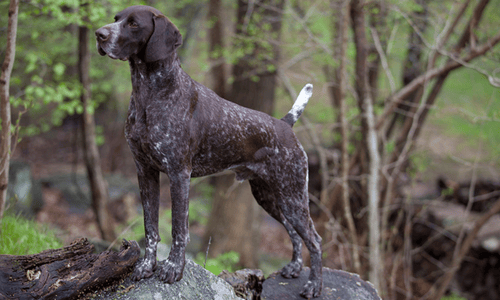
The German Pointer has a short, dense, and smooth coat. Its main colors include brown roan, white with brown patches, or solid brown. This coat type is low maintenance and provides protection in various environments.

What are the German Pointer's Hereditary Diseases?
The German Pointer is prone to certain hereditary diseases, including hip dysplasia, eye diseases such as PRA (progressive retinal atrophy), epilepsy, and gastric torsion (GDV). Regular veterinary check-ups and responsible breeding practices can help manage these risks.
The Breed's Purpose Today
Today, the German Pointer serves as an efficient hunting dog, capable of working in varied areas, including water. In many countries it is also used as a tracking, locating, and retrieving dog, and even as a companion dog for active families. The breed is also very well suited to canine sports competitions, such as agility and obedience, thanks to its speed, mental abilities, and athletic body.
Tips for Training and Educating the Breed
- Positive reinforcement: The German Pointer responds well to training methods based on praise, treats, and play.
- Intense daily activity: The breed needs running, swimming, or activity in open areas to release energy and prevent boredom.
- Socialization from a young age: Exposure to other dogs and people will help it be sociable and balanced.
- Incorporating complex tasks: The breed loves challenges, so scent-detection games and hunting games will be an enjoyable experience for it.
- A clear routine and consistency: The Pointer learns better in an orderly environment with a consistent routine.