

German Shepherd Breed Guide: History, Traits & Training
History and Background
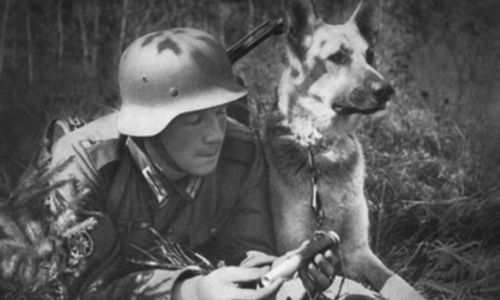
German Shepherd is a versatile dog breed and one of the most famous and beloved breeds in the world. The breed was developed in Germany at the end of the 19th century by Captain Max von Stephanitz, who sought to create an intelligent and versatile working dog. The German Shepherd quickly became an excellent herding dog and a loyal companion, also suited to tasks such as guarding, search and rescue, police work, and military work. Thanks to its physical strength, loyalty, and high learning ability, the German Shepherd continues to be used around the world today for a variety of roles.
Breed Details
Easygoing with Training
Shedding
Life Expectancy
Pet-Friendly
Family-Friendly
Breed Size
Breed Size
Family-Friendly
Pet-Friendly
Easygoing with Training
Shedding
Life Expectancy
More Breed Details
Life Expectancy
Life Expectancy
9-13 years

Male Weight
Male Weight
Males: 30-40 kg
Female Weight
Female Weight
Females: 22-32 kg

Male Height
Male Height
Males: 60-65 cm
Female Height
Female Height
Females: 55-60 cm

Weather Sensitivity
Weather Sensitivity
Resistant to moderate cold, sensitive to high heat

Energy Level
Energy Level
High

Coat Characteristics
Double, dense coat, resistant to harsh weather; main colors: black-and-tan, black-and-gray, solid black, or white (rarer)

Hereditary Diseases
Hereditary Diseases
Tendency toward hip and elbow dysplasia, eye problems, and a tendency toward gastric torsion (GDV)
The Breed's Purpose Today
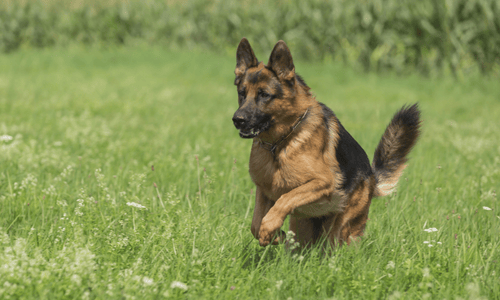
The German Shepherd continues to be used as an excellent working dog in a variety of fields, such as guarding, law enforcement, search and rescue, and as a service dog for people with disabilities. In addition, it is very suitable as a family dog thanks to its loyalty, its high intelligence, and its ability to integrate into a variety of environments. The breed is suited to active families who love to walk and play with their dogs.
Tips for Training and Educating the Breed
- Professional training from a young age: The German Shepherd is considered one of the easiest breeds to train, but it is important to start from a young age and to incorporate broad socialization.
- Positive reinforcement: The dog responds well to praise, treats, and play, which makes the training process enjoyable and effective.
- Intensive physical activity: Daily walks, running, and working games are very important for maintaining its physical and mental health.
- Mental challenge: The German Shepherd needs challenges such as obedience exercises, search tasks, and thinking games to release energy and prevent boredom.
- Calm and authoritative leadership: The dog needs owners who demonstrate clear and confident leadership with a positive and consistent approach.