

Japanese Spitz Breed Guide: History, Care & Training Tips
History and Background
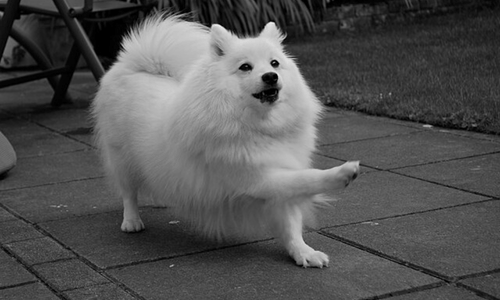
Japanese Spitz is a small to medium dog breed originating in Japan. It was developed in the 1920s by crossing German Spitz and other Spitz-like dogs. The purpose of the breeding was to create a friendly companion dog with an attractive appearance and a bright white coat. The Japanese Spitz gained popularity thanks to its loyal and sociable nature and its elegant appearance, reminiscent of the Pomeranian but slightly larger.
Breed Details
How easygoing is the Japanese Spitz with training?
Does the Japanese Spitz have high shedding?
Life Expectancy
Pet-Friendly
Family-Friendly
Breed Size
Breed Size
Family-Friendly
Pet-Friendly
Easygoing with Training
Shedding
Life Expectancy
More Breed Details
Life Expectancy
Life Expectancy
12-15 years

Male Weight
Male Weight
Males and females: 5-10 kg
Female Weight
Female Weight
Males and females: 5-10 kg

Male Height
Male Height
Males and females: 30-38 cm
Female Height
Female Height
Males and females: 30-38 cm

Weather Sensitivity
Weather Sensitivity
Good resistance to cold, sensitive to high heat

Energy Level
Energy Level
High

Coat Characteristics
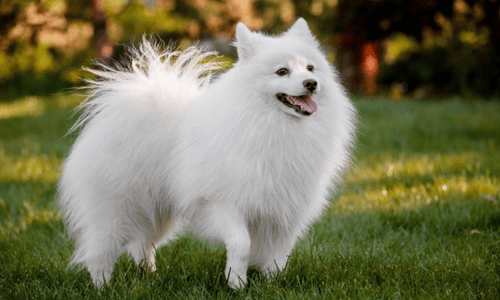
Double coat – a soft, dense undercoat and a long, straight, shiny top layer. Color: pure white only

Hereditary Diseases
Hereditary Diseases
Tendency toward health problems such as patellar luxation and eye inflammation (mainly due to dry eyes)
The Breed's Purpose Today
Today, the Japanese Spitz is used mainly as a family companion dog thanks to its friendly, alert, and devoted nature. It is an ideal dog for families with children, couples, and older people. Its alert nature also makes it an excellent guard dog for the home, as it tends to alert by barking when it notices strangers.
Tips for Training and Educating the Breed
- Early socialization: It is important to expose it to people, dogs, and children to ensure that it remains sociable and calm.
- Barking management: The Japanese Spitz tends to bark at strangers, so it should be taught commands such as “quiet” to prevent unwanted habits.
- Positive reinforcement: The dog responds excellently to praise, treats, and play as part of the training process.
- Regular grooming: Brushing the coat at least twice a week will prevent tangles and reduce shedding.
- Daily activity: The Japanese Spitz needs moderate walks, play time, and light tasks to maintain its mental and physical health.

