

Kishu Ken Breed Guide: History, Characteristics & Training
History and Background
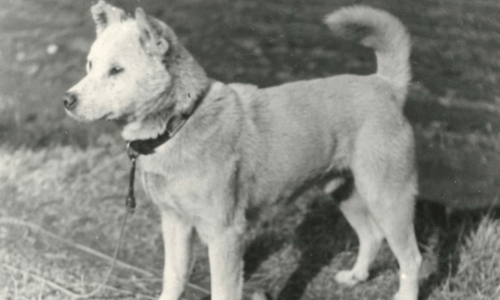
Kishu Ken is an ancient Japanese dog breed originating in the Kishu region on the island of Honshu in Japan. The breed was developed centuries ago as a skilled hunting dog, whose main role was to hunt large animals such as wild boar and deer. The Kishu Ken is considered one of the six native Japanese breeds, and it is known for its brave, loyal, and quiet nature. In its homeland, the Kishu Ken is a prized breed and has been considered a national treasure since 1934.
Breed Details
Is the Kishu Ken Easy to Train?
Shedding
Life Expectancy
Pet-Friendly
Family-Friendly
Breed Size
Breed Size
Family-Friendly
Pet-Friendly
Is the Kishu Ken Easy to Train?
Shedding
Life Expectancy
More Breed Details
Life Expectancy
Life Expectancy
12-15 years

Male Weight
Male Weight
Males and females 14-27 kg
Female Weight
Female Weight
Males and females 14-27 kg

Male Height
Male Height
Males 49-55 cm
Female Height
Female Height
Females 46-52 cm

Weather Sensitivity
Weather Sensitivity
Good resistance to cold and moderate heat

Energy Level
Energy Level
High

Coat Characteristics
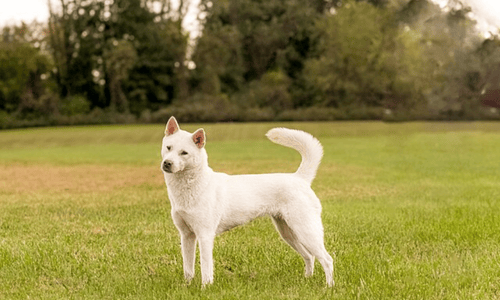
Short, thick coat with a soft undercoat; main colors: white, red, or brindle

Hereditary Diseases
Hereditary Diseases
Generally good health, but joint problems or rare skin diseases may occur
The Breed's Purpose Today
Today, the Kishu Ken is used mainly as a companion dog for active families and as a watchdog thanks to its loyalty and awareness of its surroundings. Although it is an independent breed, it forms a strong bond with its owner and is especially suited to owners who appreciate its quiet yet brave nature. In some countries, the Kishu Ken is still used for hunting in rural areas.
Tips for Training and Educating the Breed
- Early socialization: Exposure to people, children, and other dogs from a young age will help it be sociable and balanced.
- Consistent and patient training: The Kishu Ken is independent by nature, so it is important to be consistent and to use a positive yet authoritative approach.
- Positive reinforcement: Rewards, praise, and treats will make the training process enjoyable and effective.
- Daily physical activity: The breed needs daily walks, running, or play in open spaces to maintain its physical and mental health.
- Emotional involvement: The Kishu Ken bonds strongly with its owner and therefore needs emotional involvement and attention.

