

Labrador Retriever Breed Guide: History, Training & Care
History and Background
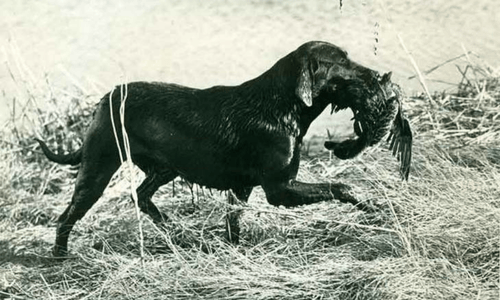
The Labrador Retriever, known for short as the Labrador, is one of the most popular breeds in the world. It originates on the island of Newfoundland in Canada, where it served as a working dog for fishermen, mainly in retrieving nets and fish from the water. In the 19th century it was brought to Britain, where it was developed and became a skilled hunting dog, especially in retrieving waterfowl. Its friendly traits and high intelligence made it a perfect companion and a working dog in a variety of fields.
Breed Details
Easygoing with Training
Shedding
Life Expectancy
Pet-Friendly
Family-Friendly
Breed Size
Breed Size
Family-Friendly
Pet-Friendly
Easygoing with Training
Shedding
Life Expectancy
More Breed Details
Life Expectancy
Life Expectancy
10–12 years

Male Weight
Male Weight
Males: 29–36 kg
Female Weight
Female Weight
Females: 25–32 kg

Male Height
Male Height
Males: 57–62 cm
Female Height
Female Height
Females: 55–60 cm

Weather Sensitivity
Weather Sensitivity
Adapted to a cool climate; sensitive to heat and requires supervision in hot weather

Energy Level
Energy Level
High

Coat Characteristics
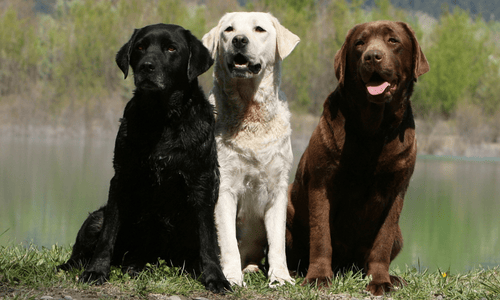
A short, dense and water-resistant coat. Coat colors include black, yellow (a range of shades) and chocolate

Hereditary Diseases
Hereditary Diseases
A tendency toward hip and elbow dysplasia, eye problems such as cataracts, and obesity
The Breed's Purpose Today
Today, the Labrador Retriever serves as a loyal companion dog, a guide dog for the blind, a police dog for detecting drugs and explosives, a rescue dog, and more. Its friendly nature and high intelligence make it an excellent companion for families, especially with children.
Tips for Training and Educating the Breed
- Early socialization: It is important to expose the dog to a variety of people, animals and environments from a young age to develop friendly and secure behavior.
- Consistent, positive training: Using positive reinforcement, such as treats and praise, helps with learning and reinforcing desired behavior.
- Physical and mental activity: The dog needs daily activity, such as walks, running, swimming and obedience exercises, to prevent boredom and destructive behavior.
- Maintaining a healthy weight: The Labrador tends toward obesity; a balanced diet and regular physical activity should be maintained.
The Labrador Retriever is a large, intelligent and loyal dog, suited to families or individuals looking for an active and loving companion. With proper training, socialization and activity, it can be a wonderful addition to any home.