

Mudi Dog Breed Guide: History, Traits & Training Tips
History and Background
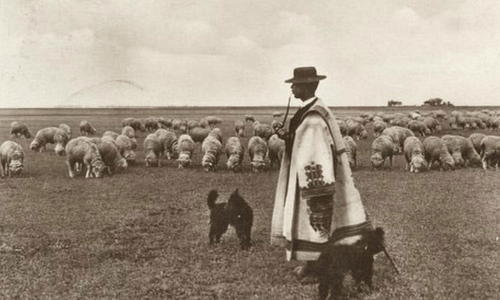
The Mudi is a breed originating in Hungary, and is considered one of the most intelligent and dynamic herding dogs. The breed developed naturally during the 19th century, most likely as a result of crosses between local Puli and Pumi dogs and other European breeds. The Mudi served as a herding and guard dog, and in addition was a partner in small hunting tasks. In 1930 the Mudi was recognized as an independent breed, and since then it has been highly regarded for its impressive abilities, but it remains a relatively rare breed.
Breed Details
How Easygoing is the Mudi with Training?
Shedding
Life Expectancy
Pet-Friendly
Family-Friendly
Breed Size
Breed Size
Family-Friendly
Pet-Friendly
Easygoing with Training
Shedding
Life Expectancy
More Breed Details
Life Expectancy
Life Expectancy
13–15 years

Male Weight
Male Weight
Males and females: 8–13 kg
Female Weight
Female Weight
Males and females: 8–13 kg

Male Height
Male Height
Males: 43–47 cm
Female Height
Female Height
Females: 40–44 cm

Weather Sensitivity
Weather Sensitivity
Well adapted to a cool climate, but also adapts to hot areas provided it receives suitable shelter

Energy Level
Energy Level
High

Coat Characteristics
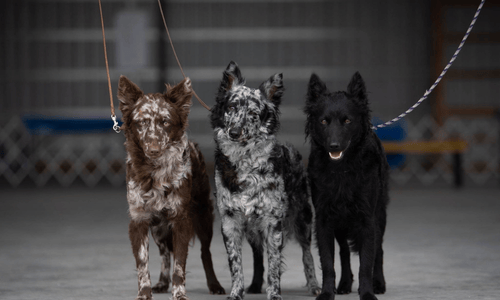
A thick, curly and slightly coarse coat, 5-7 cm long. Coat colors are varied and include black, white, gray, yellow-brown, or combinations of these colors

Hereditary Diseases
Hereditary Diseases
The breed is generally considered healthy, but may be prone to hip dysplasia and eye problems
The Breed's Purpose Today
Today, the Mudi serves as a herding and guard dog, a working dog, and often also as a companion dog for active families. Thanks to its intelligent nature and physical abilities, it participates in obedience competitions, agility and rescue tasks. In addition, it is very well suited to families looking for a loyal and active dog.
Tips for Training and Educating the Breed
- Early socialization: Exposing the dog to a variety of people, animals and environments from a young age will help reduce natural suspicion and develop friendly and secure behavior.
- Use of positive reinforcement: Praise, treats and games will help with learning and reinforcing desired behavior. Negative punishment, which may lead to bad behavior, should be avoided.
- Daily physical activity: It is important to maintain walks, running and challenging exercises to prevent boredom and destructive behavior.
- Tasks and herding: Providing small tasks during the day, such as herding animals or search games, will keep it engaged and provide the dog with suitable occupation.
The Mudi is a small-to-medium, intelligent and loyal dog, combining excellent working abilities with exceptional loyalty to its family. With proper training and a suitable environment, it can be a perfect companion for any home.