

Papillon Dog Breed Guide: History, Traits & Training
History and Background
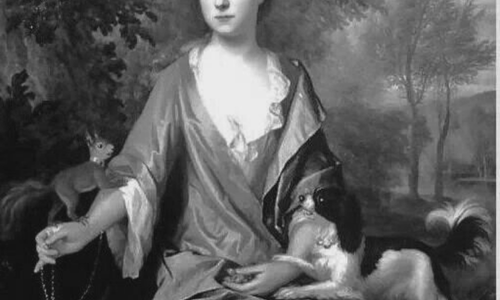
Papillon is a small and charming dog breed originating in France and Belgium, and its name, which means “butterfly” in French, was given to it for its large, upright ears, reminiscent of butterfly wings. The Papillon appears in works of art as early as the 16th century, where it served as a companion dog for European nobility. This breed was especially favored in the royal courts of France and Italy, and was known for its grace, intelligence, and the strong bond it forms with its owner.
Breed Details
Easygoing with Training
Shedding
Life Expectancy
Pet-Friendly
Family-Friendly
Breed Size
Breed Size
Family-Friendly
Pet-Friendly
Easygoing with Training
Shedding
Life Expectancy
What are the specific physical and health details of the Papillon breed?
Life Expectancy
Life Expectancy
12-16 years

Male Weight
Male Weight
Males and females 3-5 kg
Female Weight
Female Weight
Males and females 3-5 kg

Male Height
Male Height
Males and females 20-28 cm
Female Height
Female Height
Males and females 20-28 cm

Weather Sensitivity
Weather Sensitivity
Sensitive to cold, tolerant of moderate heat

Energy Level
Energy Level
High

Coat Characteristics
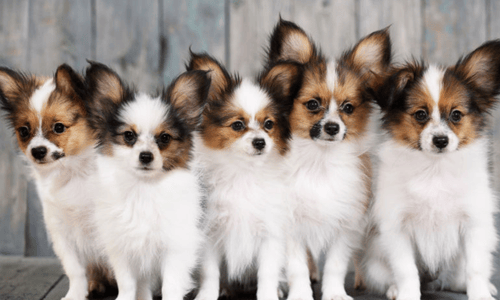
Long, smooth, and silky coat; main colors: white with black, brown, or reddish patches

Hereditary Diseases
Hereditary Diseases
Patellar luxations, dental problems, and eye diseases such as PRA (progressive retinal atrophy)
The Breed's Purpose Today
Today, the Papillon serves mainly as an endearing and intelligent companion dog. Thanks to its active and social character, it also does very well in canine sports such as agility, obedience, and dancing with dogs. The breed is especially suited to families or individuals looking for a small, convenient, and devoted dog.
Tips for Training and Educating the Breed
- Making use of intelligence: The Papillon loves to learn, so it can be taught advanced tasks or special tricks.
- Positive reinforcement: Praise and treats will increase its motivation to cooperate.
- Daily activity: Despite its small size, it needs daily physical activity, such as walks and play.
- Socialization from a young age: Exposure to people, children, and other animals will help it be sociable and relaxed.
- Coat care: Its coat should be brushed at least once a week to maintain a well-groomed appearance and prevent tangles.

