

Persian Mastiff
History and Background
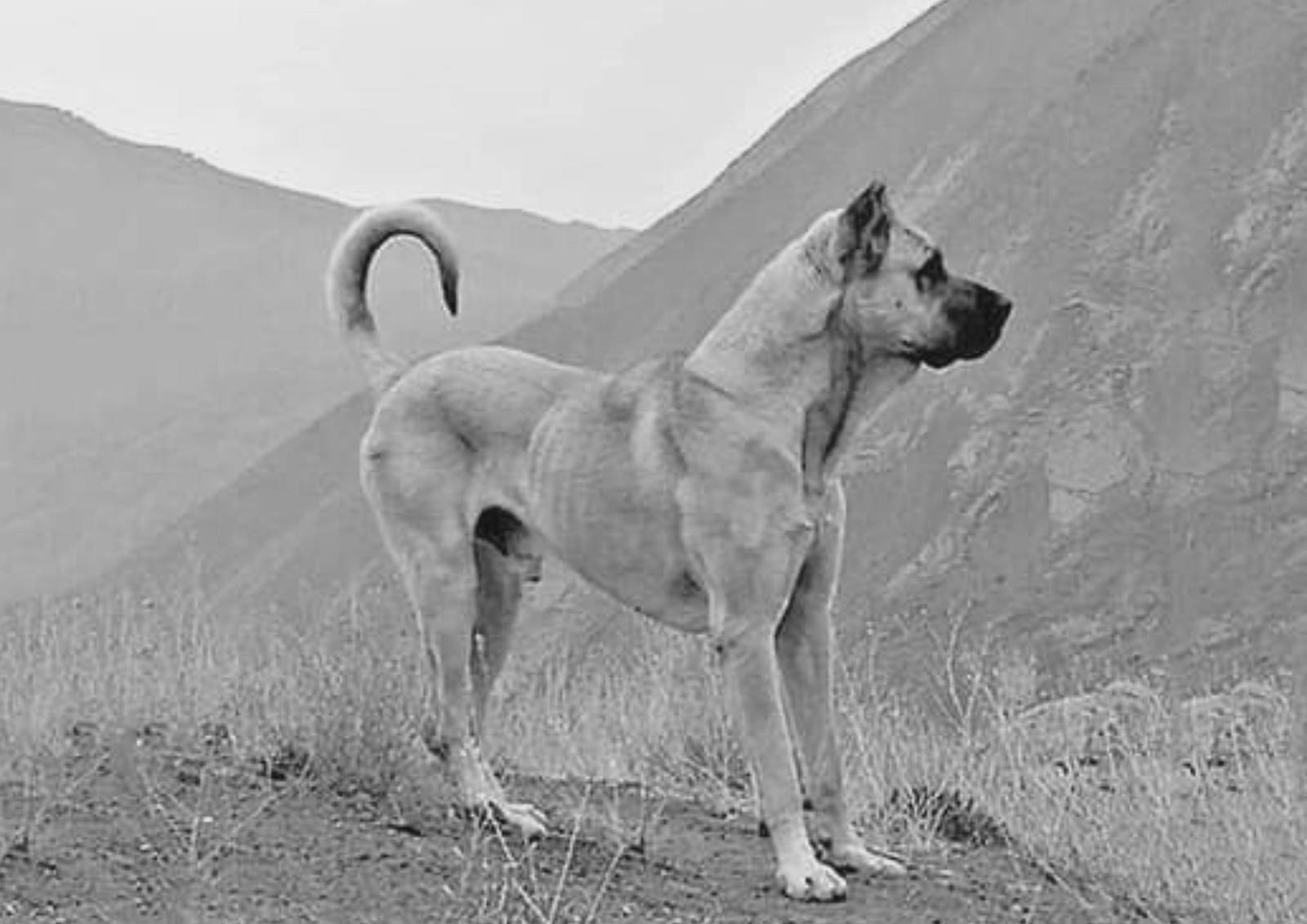
The Persian Mastiff, also known as the Sarabi or Sag-e Pahlevan or Sag-e Sar Mast, is an ancient breed originating in Iran (historical Persia). For centuries the Persian Mastiff was used as a guardian of flocks, property, and people, especially in mountainous and arid areas. This is a dog with an enormous body, a broad head, and an especially determined character. It is considered one of the ancient breeds from which other modern breeds of the mastiff family emerged. Its combined nature – deep loyalty alongside a strong protective instinct – made it an ideal guardian, but it requires an experienced owner and a clear leader.
Breed Details
Easygoing with Training
Shedding
Life Expectancy
Pet-Friendly
Family-Friendly
Breed Size
Breed Size
Family-Friendly
Pet-Friendly
Easygoing with Training
Shedding
Life Expectancy
More Breed Details
Life Expectancy
Life Expectancy
9–12 years

Male Weight
Male Weight
70–90 kg
Female Weight
Female Weight
60–75 kg

Male Height
Male Height
80–90 cm
Female Height
Female Height
70–80 cm

Weather Sensitivity
Weather Sensitivity
Especially resistant to cold, but sensitive to heavy heat due to its massive build.

Energy Level
Energy Level
High

Coat Characteristics
Short to medium, dense and thick; common colors – light brown, gray, brindle, and sometimes white with dark patches.

Hereditary Diseases
Hereditary Diseases
Hip and elbow dysplasia, joint problems, and sometimes a tendency toward obesity in old age.
The Breed's Purpose Today
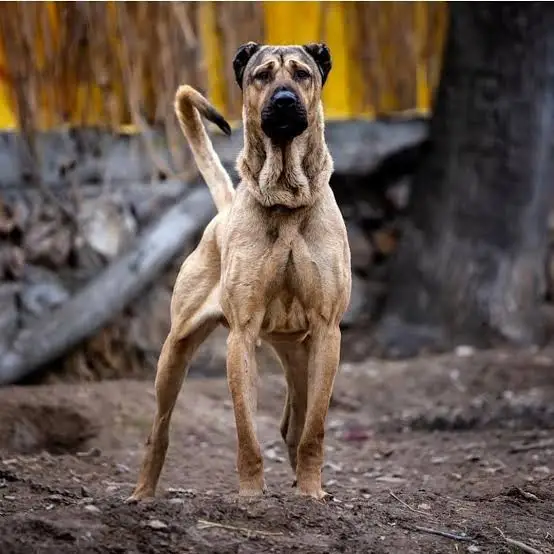
Today, the Persian Mastiff is used mainly as a guarding and loyalty dog in rural areas and on farms in Iran, but it can also be found outside its homeland among enthusiasts of rare guarding breeds. Thanks to its loyalty, wisdom, and its sense of mission, it is an excellent guardian for property and large homes, but it is not suitable for inexperienced owners. This is a breed that requires proper socialization, calm control, and a deep understanding of canine behavior.
Tips for Training and Educating the Breed
-
Start training from a very young age – it is important to accustom it to authority and obedience before it develops excessive self-confidence.
-
Do not skip socialization – despite its tendency to keep its distance from strangers, controlled exposure will prevent unnecessary aggression.
-
Maintain a calm yet determined approach – the Persian Mastiff responds well to a quiet and self-confident leader, not to force or punishment.
-
Provide moderate mental and physical activity – daily walks, control exercises, and guarding tasks will keep it focused and calm.