
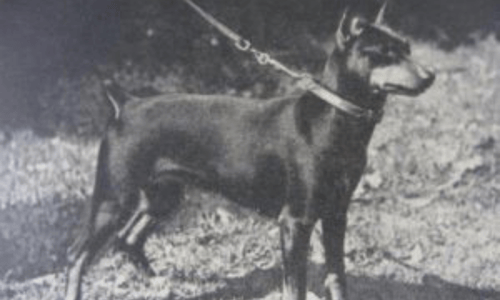

Pinscher
History and Background
Pinscher is an ancient German breed originating in the 18th century, where it served mainly as a versatile working dog on farms. The Pinscher was known for its ability to hunt rodents, guard the home, and be a loyal companion. This breed is considered one of the ancestors of the Doberman and the Miniature Pinscher, and it combines an elegant appearance with working abilities and an energetic character. Thanks to its medium size and alert character, it is suited both as a pet and as a guard dog.
Breed Details
Easygoing with Training
Shedding
Life Expectancy
Pet-Friendly
Family-Friendly
Breed Size
Breed Size
Family-Friendly
Pet-Friendly
Easygoing with Training
Shedding
Life Expectancy
More Breed Details
Life Expectancy
Life Expectancy
12-15 years

Male Weight
Male Weight
Males and females 14-20 kg
Female Weight
Female Weight
Males and females 14-20 kg

Male Height
Male Height
Males and females 45-50 cm
Female Height
Female Height
Males and females 45-50 cm

Weather Sensitivity
Weather Sensitivity
Sensitive to cold, tolerant of moderate heat

Energy Level
Energy Level
High

Coat Characteristics
Short, smooth, and shiny. Main colors: black with brown markings, solid brown, or red-rust

Hereditary Diseases
Hereditary Diseases
A tendency toward joint problems, eye diseases (such as PRA – progressive retinal atrophy), and a sensitivity to skin problems
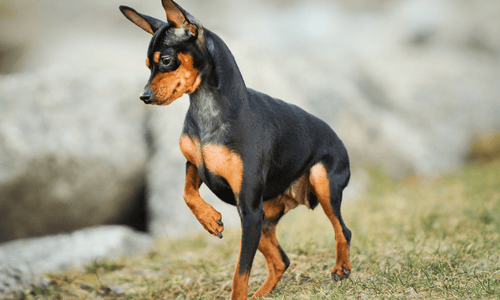
The Breed's Purpose Today
Today, the Pinscher serves mainly as a companion and family dog, thanks to its intelligent and sociable character. It is also suited to guarding the home, due to its alertness and courage. In certain countries it participates in canine sports competitions, such as agility and obedience, where it excels thanks to its agility and its ability to learn quickly.
Tips for Training and Educating the Breed
- Consistent and authoritative training: The Pinscher is independent and sometimes stubborn, so it is important to maintain a clear routine and display authority.
- Positive reinforcement: Use rewards and praise to maintain motivation and prevent frustration.
- Early socialization: Exposure to people, dogs, and other animals will help reduce territorial behavior.
- Daily physical activity: The breed needs intense activity such as running, walks, or play to release energy.
- Mental engagement: The Pinscher is very intelligent, so thinking games and obedience challenges will help keep it balanced and satisfied.