
Pug Breed Guide: History, Characteristics & Training

History and Background

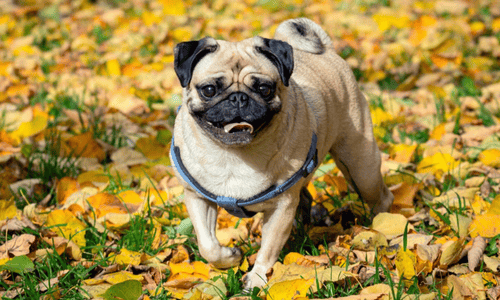
Pug is a small and charming dog breed originating in ancient China. This breed was favored by Chinese emperors for centuries and served as a royal pet. The Pug was brought to Europe by Dutch traders in the 16th century, where it was greatly admired among European nobility, including the British royal family. The breed is famous for its wrinkled face, compact build, and its cheerful and friendly character. Today, it is considered one of the most popular dogs in the world as a family pet.

Breed Details

How easy is it to train a Pug?

Pugs can be stubborn when it comes to training. While they learn quickly, their independent nature means patience and consistency are key.

Shedding

High Shedding

Life Expectancy

12-15 years

Pet-Friendly

Yes

Family-Friendly

Needs an Active Family

Breed Size

Small

Breed Size

Small

Family-Friendly

Needs an Active Family

Pet-Friendly

Yes

Easygoing with Training

Stubborn

Shedding

High Shedding

Life Expectancy

12-15 years

More Breed Details

The Breed's Purpose Today

Today, the Pug serves mainly as a loyal and loving family pet. Its friendly character, its ability to adapt easily to life in an apartment or house, and the deep bond it forms with its owner make it a perfect companion dog. It is known as a “people’s dog,” loving to be near its family and to receive attention. Although it is not used as a working dog, it is very popular at dog shows and in obedience and entertainment competitions.


Tips for Training and Educating the Breed

  • Patience and consistency: The Pug learns quickly, but can sometimes be stubborn. Maintain a fixed training routine.
  • Positive reinforcement: Praise, treats, and play are especially effective for maintaining its motivation.
  • Coping with heat sensitivity: The breed is very sensitive to hot weather, so outdoor training should be avoided on hot days.
  • Moderate activity: Despite its low energy level, it is important to incorporate daily walks and play to maintain a healthy weight and prevent obesity.
  • Maintaining health: Due to its tendency toward breathing and eye problems, be sure to keep up regular veterinary checkups and a balanced diet.

Frequently Asked Questions

1 What are the key physical characteristics of a Pug?

Pugs are known for their distinctive wrinkled faces, short snouts, and curled tails. They are a small, compact breed, typically muscular, with a smooth, short coat that commonly comes in fawn or black.

2 What is the typical temperament of a Pug, and are they easy to train?

Pugs are generally known for being charming, playful, and affectionate companions. While they can have a stubborn streak, they are intelligent and respond well to consistent, positive reinforcement training methods.

3 What are common health concerns and care requirements for Pugs?

Due to their brachycephalic (short-nosed) nature, Pugs can be prone to breathing issues and heat sensitivity. They require regular cleaning of their facial wrinkles to prevent skin infections and benefit from a balanced diet to manage their weight.

עסק של מילואימניק ספק מורשה של משרד הביטחון