
Puli Dog Breed: History, Characteristics & Training Guide

History and Background

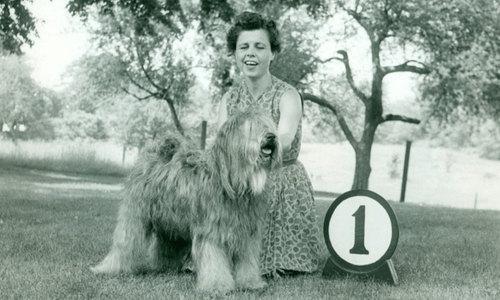
Puli is a herding dog breed originating in Hungary, where it served for centuries for herding and guarding flocks. A unique and prominent feature of the Puli is its long, corded coat, which gives it the appearance of natural “ropes.” This coat is not only aesthetically unique, but also served as protection against the harsh weather of the Hungarian regions. The Puli is considered a very energetic and intelligent working dog, and it is beloved for its ability to learn quickly and for its sociable and devoted character.

Breed Details

Easygoing with Training

Easygoing

Shedding

Minimal

Life Expectancy

12-16 years

Pet-Friendly

Yes

Family-Friendly

Needs an Active Family

Breed Size

Medium

Breed Size

Medium

Family-Friendly

Needs an Active Family

Pet-Friendly

Yes

Easygoing with Training

Easygoing

Shedding

Minimal

Life Expectancy

12-16 years

What are the additional Puli breed characteristics?

The Breed's Purpose Today

Today, the Puli serves both as a herding dog in herding work and as a family companion dog. The breed also excels in canine sports, such as agility and obedience, thanks to its agility and high intelligence. The Puli is especially suited to people with an active lifestyle who are able to provide it with daily physical and mental activity.

Tips for Training and Educating the Breed

  1. Making use of intelligence: The Puli learns very quickly, so it is important to incorporate challenging tasks into the training process.
  2. Positive reinforcement: Praise and treats will help maintain cooperation and a positive atmosphere.
  3. Daily physical activity: The Puli needs intense physical activity such as running, play, or exercises in an open area.
  4. Coat care :Regular grooming must be maintained to prevent tangles or skin problems in its unique coat.
  5. Socialization from a young age: Exposure to people and other animals will help it be sociable and balanced.
עסק של מילואימניק ספק מורשה של משרד הביטחון