

Rhodesian Ridgeback
History and Background
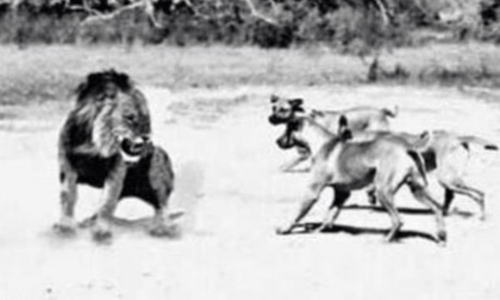
Rhodesian Ridgeback is a dog breed originating in southern Africa, especially in the Rhodesia region (now Zimbabwe). The breed was developed in the 19th century by colonial farmers to serve as a hunting and guarding dog, with an emphasis on the ability to withstand the harsh climate conditions of Africa. The Ridgeback became especially famous for its skills in hunting lions, which earned it the nickname “lion-hunting dog”. The breed’s unique hallmark is the reverse ridge of hair on its back, formed by hair growing in the opposite direction to the rest of its coat.
Breed Details
Easygoing with Training
Shedding
Life Expectancy
Pet-Friendly
Family-Friendly
Breed Size
Breed Size
Family-Friendly
Pet-Friendly
Easygoing with Training
Shedding
Life Expectancy
More Breed Details
Life Expectancy
Life Expectancy
10-12 years

Male Weight
Male Weight
Males: 36-41 kg
Female Weight
Female Weight
Females: 29-34 kg

Male Height
Male Height
Males: 63-69 cm
Female Height
Female Height
Females: 61-66 cm

Weather Sensitivity
Weather Sensitivity
Good resistance to heat, sensitive to extreme cold

Energy Level
Energy Level
High

Coat Characteristics
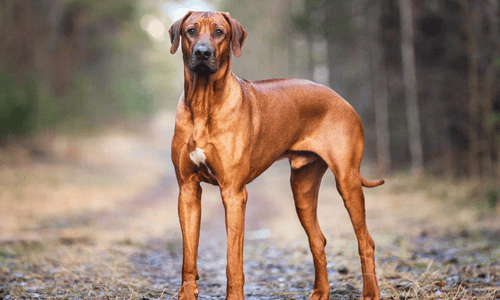
Short, smooth, and shiny coat. Main color: reddish-brown (wheaten) with varying shades, sometimes with a white patch on the chest or toes

Hereditary Diseases
Hereditary Diseases
Tendency toward hip dysplasia, skin diseases, and dermoid sinus (a rare genetic disease)
The Breed's Purpose Today
Today, the Ridgeback is used mainly as a loyal family pet and as a guard dog thanks to its loyalty, strength, and impressive appearance. The breed still participates in hunting in certain rural areas, but it is also common in canine sports competitions such as obedience, agility, and tracking tasks. The Ridgeback is especially suited to families with an active lifestyle who are able to provide it with physical activity and mental stimulation.
Tips for Training and Educating the Breed
- Early socialization: The Ridgeback is independent by nature, so it is important to expose it to dogs, people, and various environments from a young age.
- Consistent and authoritative training: The breed requires clear yet calm leadership; it responds well to a positive approach with clear boundaries.
- Intensive physical activity: The Ridgeback needs two hours of daily activity, including running and play in open spaces.
- Mental tasks: The breed loves mental challenges, so it is recommended to incorporate obedience exercises or search games into training.
- Patience and flexibility: It is important to remember that the Ridgeback is independent and requires time and patience in learning new tasks.