

Rottweiler Dog Breed Guide: History, Traits & Training
History and Background
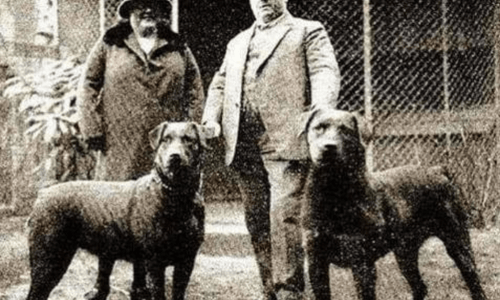
Rottweiler is a versatile dog breed originating in Germany, where it was used as a working dog as early as the time of the Roman Empire. The breed is named after the city of Rottweil, where this dog was used for herding cattle and guarding property. The Rottweiler became known for its strength, intelligence, and loyalty, which also made it a guard dog and police enforcement dog. In recent years, the Rottweiler has also become a loyal family pet, as long as it receives appropriate training and socialization.
Breed Details
How easygoing is the Rottweiler with training?
Shedding
Life Expectancy
Pet-Friendly
Family-Friendly
Breed Size
Breed Size
Family-Friendly
Pet-Friendly
Easygoing with Training
Shedding
Life Expectancy
More Breed Details
Life Expectancy
Life Expectancy
8-10 years

Male Weight
Male Weight
Males: 43-59 kg
Female Weight
Female Weight
Females: 36-48 kg

Male Height
Male Height
Males: 61-69 cm
Female Height
Female Height
Females: 56-63 cm

Weather Sensitivity
Weather Sensitivity
Resistant to moderate cold, sensitive to high heat

Energy Level
Energy Level
High

Coat Characteristics
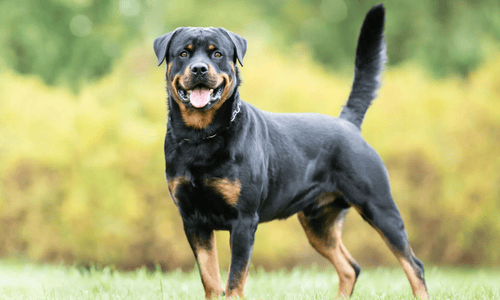
Short, smooth, and dense; main colors: black with defined rust-brown markings on the chest, face, and legs

Hereditary Diseases
Hereditary Diseases
Hip and elbow dysplasia, heart diseases (such as cardiomyopathy), and bone cancer
The Breed's Purpose Today
Today, the Rottweiler is used for a variety of roles, including guarding, police work, search and rescue, and as a therapy dog. However, it is also used as a loyal and loving family pet. Thanks to its intelligent and loyal nature, it integrates well into experienced families who can devote time to training and attention to its needs.
Tips for Training and Educating the Breed
- Early professional training: It is important to begin training and socialization early to prevent territorial behavior or control problems.
- Clear leadership: The Rottweiler needs a calm and authoritative leader who can set clear boundaries.
- Positive reinforcement: Praise, treats, and play will make the training process enjoyable and successful.
- Daily physical activity: Walks, running, and games such as tug-of-war or tracking will maintain its physical and mental health.
- Controlled exposure: The Rottweiler should be exposed to other dogs and people in a controlled environment to encourage sociable behavior.