

Samoyed Dog Breed: History, Characteristics & Training Guide
History and Background
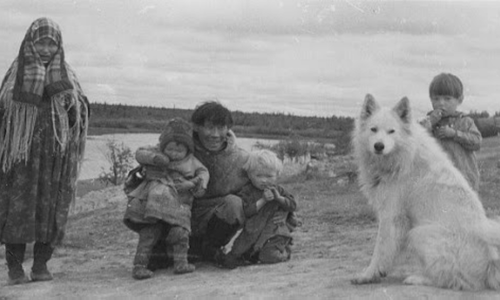
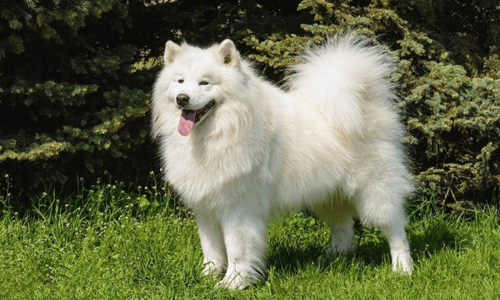
Samoyed is an ancient dog breed originating in the Arctic regions of Russia and Siberia. The breed was developed by the nomadic Samoyede people, who relied on these dogs for a variety of tasks such as pulling sleds, guarding reindeer herds, and protecting family members from predators. One of the Samoyed’s most notable features is the “Samoyed smile” – a friendly expression combining its kind eyes and the upturned corners of its mouth. The Samoyeds were close companions to their tribes, and in many cases even slept together with people to provide warmth on cold nights. Today, they are considered one of the friendliest and most sociable breeds.
Breed Details
How Easygoing is the Samoyed with Training?
Shedding
Life Expectancy
Pet-Friendly
Family-Friendly
Breed Size
Breed Size
Family-Friendly
Pet-Friendly
Easygoing with Training
Shedding
Life Expectancy
More Breed Details
Life Expectancy
Life Expectancy
12-14 years

Male Weight
Male Weight
Males 20-30 kg
Female Weight
Female Weight
Females 16-25 kg

Male Height
Male Height
Males 53-60 cm
Female Height
Female Height
Females 48-53 cm

Weather Sensitivity
Weather Sensitivity
Highly tolerant of cold, very sensitive to heat and requires cooling in hot weather

Energy Level
Energy Level
High

Coat Characteristics
Double, thick coat; the outer layer is straight and dense, and the inner layer is soft and dense. Main colors: white, cream, or white with gray patches

Hereditary Diseases
Hereditary Diseases
Hip dysplasia, eye diseases such as PRA (progressive retinal atrophy), and diabetes
The Breed's Purpose Today
Today, the Samoyed serves mainly as a loyal family dog, thanks to its sociable and friendly character. In certain countries it is still used for pulling sleds in cold regions, but it is most often found as a beloved pet that combines aesthetics with working ability. Due to its magnificent appearance, it is also highly valued at dog shows.
Tips for Training and Educating the Breed
- Consistency and patience: The Samoyed is smart and easy to train, but can be independent. It is important to use a clear and consistent approach.
- Positive reinforcement: Praise, treats, and play are especially effective for keeping it motivated during training.
- Daily activity: Due to its high energy level, it is important to provide it with long walks, play, or other physical activities.
- Early socialization: To prevent shyness or fearfulness, it should be exposed to people, dogs, and different environments from a young age.
- Coat care: Due to its thick coat, it should be brushed frequently, especially during shedding seasons, to prevent tangles and discomfort.