

Schipperke Dog Breed: History, Traits & Training Guide
History and Background
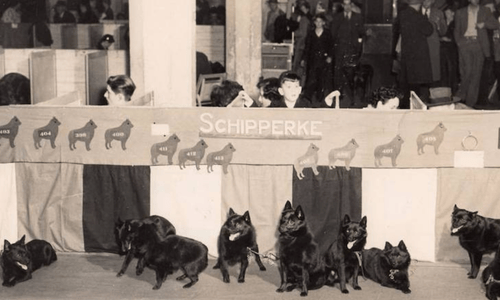
Schipperke is a small, energetic dog breed originating in Belgium. Its name in Flemish means “little boatman,” hinting at its past as a dog that assisted watchmen and sailors on canal boats in Belgium. Its job was to guard the cargo, drive off rodents, and sometimes also deter intruders. The breed was developed in the late 17th century and was sometimes called “the little shepherd” due to its resemblance to a small Belgian sheepdog. The Schipperke is a loyal, alert, and intelligent dog, with a curious and lively character that has also made it a beloved family member.
Breed Details
Easygoing with Training
Shedding
Life Expectancy
Pet-Friendly
Family-Friendly
Breed Size
Breed Size
Family-Friendly
Pet-Friendly
Easygoing with Training
Shedding
Life Expectancy
More Breed Details
Life Expectancy
13-15 years

Male Weight
Males and females typically weigh between 3-9 kg.
Female Weight
Males and females typically weigh between 3-9 kg.

Male Height
Males and females typically stand between 25-33 cm tall.
Female Height
Males and females typically stand between 25-33 cm tall.

Weather Sensitivity
Tolerant of moderate cold, but sensitive to high heat.

Energy Level
High

Coat Characteristics
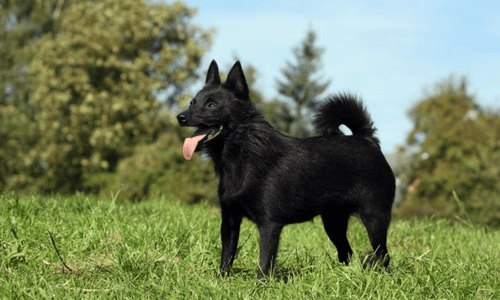
Short, dense coat, with a thicker ruff of fur around the neck; coat color black only.

Hereditary Diseases
Eye problems such as PRA (progressive retinal atrophy), cataracts, and a tendency toward thyroid problems.
The Breed's Purpose Today
Today, the Schipperke is mainly a loyal companion dog, valued for its intelligent and alert character. It continues to serve in roles that make use of its guarding and alertness senses, and is sometimes used as an alert dog in the home or on a farm. The breed does well at dog shows, where its distinctive appearance and impressive character are appreciated.
Tips for Training and Educating the Breed
- Energy management: Due to its high energy level, it should be provided with daily physical activity such as walks and interactive play.
- Positive reinforcement: The dog responds well to training methods based on rewards, praise, and treats.
- Socialization from a young age: Exposure to people, animals, and different environments will help it become more sociable and calm.
- Discipline training: Due to its curious and independent character, it is important to incorporate basic discipline commands into the training routine.
- Mental engagement: The breed is highly intelligent and will enjoy thinking games and challenges that can stimulate it mentally as well.

