

Shetland Sheepdog: Breed Profile, History & Training Tips
History and Background
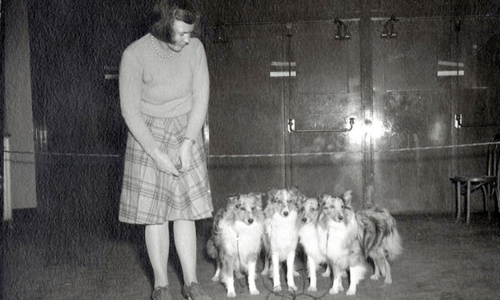
Shetland Sheepdog is a small-to-medium dog breed originating in the Shetland Islands in northern Scotland. The breed was developed as a herding dog assisting in managing and guarding flocks of sheep on the rocky and harsh islands. The Sheltie resembles the Collie in appearance, but is significantly smaller, which made it especially suited to the harsh terrain conditions of the islands and to herding small flocks. Its smart, loyal, and energetic nature made it popular as a family dog and a working dog throughout the world.
Breed Details
How easygoing is the Shetland Sheepdog with training?
Shedding
Life Expectancy
Pet-Friendly
Family-Friendly
Breed Size
Breed Size
Family-Friendly
Pet-Friendly
Easygoing with Training
Shedding
Life Expectancy
More Breed Details
Life Expectancy
Life Expectancy
12-14 years

What is the typical weight range for Shetland Sheepdogs?
The typical weight range for Shetland Sheepdogs is 6-12 kg for both males and females.

What is the typical weight range for Shetland Sheepdogs?
The typical weight range for Shetland Sheepdogs is 6-12 kg for both males and females.
What is the typical height range for Shetland Sheepdogs?
The typical height range for Shetland Sheepdogs is 33-41 cm for both males and females.

What is the typical height range for Shetland Sheepdogs?
The typical height range for Shetland Sheepdogs is 33-41 cm for both males and females.
Weather Sensitivity
Weather Sensitivity
High resistance to cold, some sensitivity to heat

Energy Level
Energy Level
High

Coat Characteristics
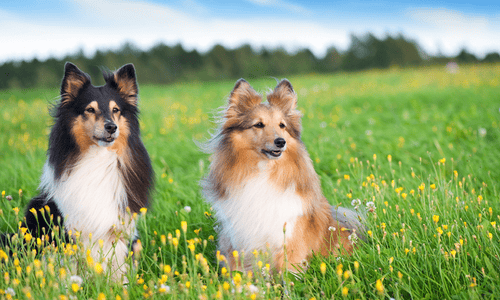
Double coat – a long, coarse outer layer and a soft, dense undercoat. Main colors: sable (brown-and-white), black-and-white, blue merle (black-blue with patches)

Hereditary Diseases
Hereditary Diseases
Tendency toward hip dysplasia, genetic eye problems, and medication sensitivity (MDR1)
The Breed's Purpose Today
Today, the Sheltie is used mainly as a loving family dog and an excellent sports dog in fields such as agility, obedience, and sheep herding. It is considered an energetic, smart, and focused dog, so it integrates well into active families who love to include the dog in daily activities.
Tips for Training and Educating the Breed
- Easy and varied training: The Sheltie is especially smart and learns quickly. Short, positive, and varied sessions will maintain its motivation.
- Daily physical activity: The Sheltie needs one to two hours of daily activity, such as walks, chase games, or agility training.
- Regular grooming: Brushing its long coat twice a week is essential to prevent tangles and reduce shedding.
- Early socialization: Exposure to people, children, and other dogs will ensure balanced and sociable behavior.
- Mental challenges: The Sheltie enjoys thinking tasks, obedience games, and herding training that provide it with mental stimulation.