
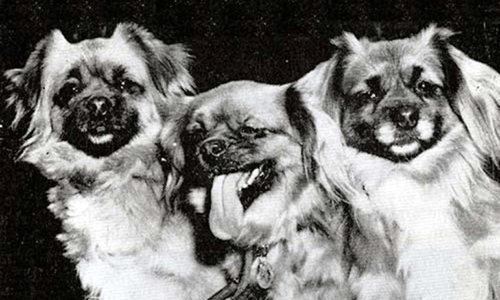

Tibetan Spaniel
History and Background
Tibetan Spaniel is a small and distinctive breed originating in the Himalayas of Tibet. This breed served for centuries as a watchdog in Tibetan monasteries, where it alerted to intruders and was a close companion to the monks. Although it is not a classic guard dog, it was known for its ability to distinguish friend from foe and to bark in alert. The Tibetan Spaniel was considered a “royal dog” due to its dignified appearance and its close ties with wealthy families and clergy. It was valued not only for its loyalty and endearing character, but also for its compact size that suited life in the monasteries.
Breed Details
Easygoing with Training
Shedding
Life Expectancy
Pet-Friendly
Family-Friendly
Breed Size
Breed Size
Family-Friendly
Pet-Friendly
Easygoing with Training
Shedding
Life Expectancy
More Breed Details
Life Expectancy
Life Expectancy
12-15 years

Male Weight
Male Weight
Males and females 4-7 kg
Female Weight
Female Weight
Males and females 4-7 kg

Male Height
Male Height
Males and females 25-27 cm
Female Height
Female Height
Males and females 25-27 cm

Weather Sensitivity
Weather Sensitivity
Tolerant of moderate cold, sensitive to high heat

Energy Level
Energy Level
High

Coat Characteristics
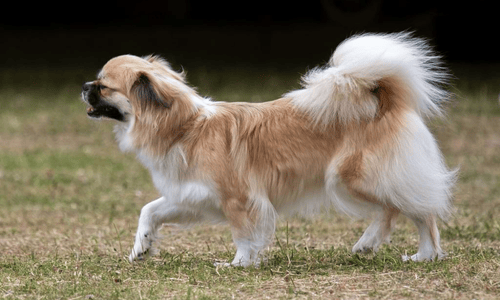
Medium-length coat, smooth and soft with a mane around the neck. A variety of colors including gold, black, white, and combinations

Hereditary Diseases
Hereditary Diseases
A tendency toward eye problems such as PRA (progressive retinal atrophy), cataracts, and general health problems such as patellar luxation
The Breed's Purpose Today
Today, the Tibetan Spaniel serves mainly as an endearing and intelligent companion dog. Its curious and friendly character makes it a perfect companion for families looking for a small and loyal dog. It continues to appear at dog shows, where it is valued for its noble appearance and balanced character. The breed is especially suited to homes with people who understand its independent character and provide it with enough attention and love.
Tips for Training and Educating the Breed
- Patience and consistency: The Tibetan Spaniel tends toward independence, so a patient and consistent approach should be used in training.
- Positive reinforcement: Praise and treats are especially effective for maintaining motivation and cooperation.
- Early socialization: Exposure to people, animals, and different environments will help it be calm and friendly.
- Daily activity: The breed needs daily walks and light play to maintain its health and contentment.
- Mental challenge: Thinking games and interactive toys will help prevent boredom and keep it happy.