

Tosa Inu Dog Breed: History, Characteristics & Training Guide
History and Background
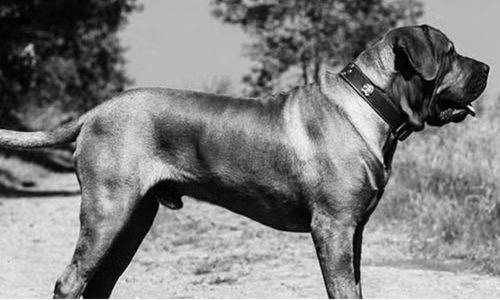
The Tosa Inu, also known as the “Japanese Mastiff,” is a dog breed originating in the Tosa province of Japan. The breed was developed in the 19th century as a fighting dog, through crosses between local dogs, such as the Shikoku, and Western breeds such as the Bulldog, Mastiff, Great Dane, Pointer, Saint Bernard, and Bull Terrier. The aim was to create a strong, brave dog that would remain quiet during the fight, a trait that was valued in Japanese dog fighting. The Tosa Inu was recognized as an official breed by the FCI in 1963.
Breed Details
Easygoing with Training
Shedding
Life Expectancy
Pet-Friendly
Family-Friendly
Breed Size
Breed Size
Family-Friendly
Pet-Friendly
Easygoing with Training
Shedding
Life Expectancy
More Breed Details
Life Expectancy
Life Expectancy
10–12 years

Male Weight
Male Weight
Males 40–60 kg
Female Weight
Female Weight
Females 30–50 kg

Male Height
Male Height
Males 60–80 cm
Female Height
Female Height
Females 55–70 cm

Weather Sensitivity
Weather Sensitivity
Sensitive to extreme heat; it is recommended to avoid prolonged exposure to hot weather

Energy Level
Energy Level
High

Coat Characteristics
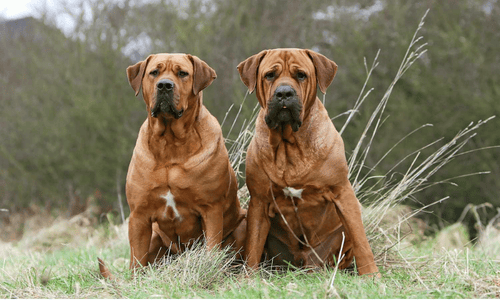
Short, dense, glossy coat. Coat colors include red, brown, black, and brindle. White markings sometimes appear on the chest and legs

Hereditary Diseases
Hereditary Diseases
Hip dysplasia, skin problems, and a tendency toward obesity
The Breed's Purpose Today
Today, the Tosa Inu serves mainly as a guard and protection dog, as well as a loyal companion dog. Due to its protective and suspicious nature toward strangers, it is particularly suited to guarding roles. However, in many countries, including Israel, the breed is classified as dangerous, and keeping it is subject to legal restrictions.
Tips for Training and Educating the Breed
- Early socialization: It is important to expose the Tosa Inu to a variety of people, animals, and environments from a young age in order to prevent aggressive behavior.
- Consistent, authoritative training: The breed requires clear and consistent leadership. Using positive reinforcement will aid learning.
- Physical activity: The Tosa Inu needs daily activity, such as walks and play, to maintain its health and mood.
- Supervision with children and other animals: Despite its loyalty, it is recommended to supervise interactions with children and other dogs, especially if it has not undergone appropriate socialization.
The Tosa Inu is a large, strong, and loyal dog, suited to experienced owners capable of providing appropriate training and socialization. With proper care, it can be a devoted companion and an effective guard dog.