

Transylvanian Hound Breed Guide: History, Traits & Care
History and Background
The Transylvanian Hound also known as “Erdélyi Kopó” in Hungary, is an ancient breed originating in the Transylvania region, which was formerly part of Hungary and is now located in Romania. The breed was developed as a versatile hunting dog, specializing in tracking large animals such as deer and bears, as well as smaller animals. The Transylvanian Hound is renowned for its ability to adapt to a variety of terrains, including forests and mountains.
Breed Details
What is the Transylvanian Hound's training temperament?
Shedding
Life Expectancy
Pet-Friendly
Family-Friendly
Breed Size
Breed Size
Family-Friendly
Pet-Friendly
What is the Transylvanian Hound's training temperament?
Shedding
Life Expectancy
More Breed Details
Life Expectancy
The Transylvanian Hound's life expectancy is 10-14 years. This breed typically enjoys a healthy lifespan within this range.

What is the Transylvanian Hound's weight range?
The Transylvanian Hound's weight range for both males and females is 18–27 kg. This breed typically falls within this medium-sized weight category.

What is the Transylvanian Hound's weight range?
The Transylvanian Hound's weight range for both males and females is 18–27 kg. This breed typically falls within this medium-sized weight category.
Male Height
The average male Transylvanian Hound height is 55–65 cm. Males of this breed typically stand within this height range.
Female Height
The average female Transylvanian Hound height is 50–60 cm. Females of this breed typically stand within this height range.

Weather Sensitivity
The Transylvanian Hound is adapted to a temperate climate. It can cope with cold, but prolonged exposure to extreme heat should be avoided.

Energy Level
The Transylvanian Hound has a high energy level. This breed requires significant daily exercise and mental stimulation to thrive.

Coat Characteristics
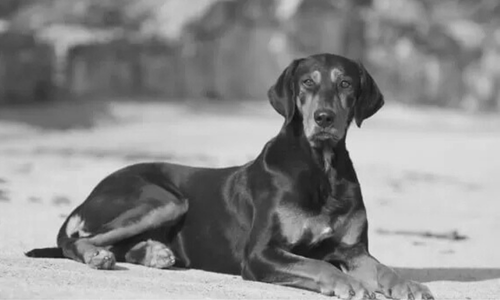
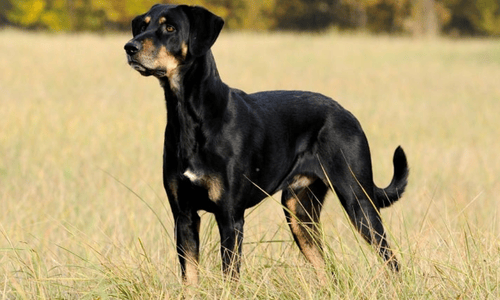
The Transylvanian Hound has a short, dense, and shiny coat. It is typically black in color with tan markings on the eyebrows, cheeks, chest, and legs.

Hereditary Diseases
The Transylvanian Hound is generally considered healthy. This breed shows no tendency toward specific hereditary diseases, making it a robust companion.
The Breed's Purpose Today
Today, the Transylvanian Hound serves as a loyal companion dog, a hunting dog, and sometimes a show dog. Its friendly and energetic nature makes it an excellent companion for active families, especially in rural areas.
Tips for Training and Educating the Breed
- Early socialization: It is important to expose the dog to a variety of people, animals and environments from a young age to develop friendly and secure behavior.
- Consistent, positive training: Using positive reinforcement, such as treats and praise, helps with learning and reinforcing desired behavior.
- Physical and mental activity: The dog needs challenging daily activity, such as walks, running, games and obedience exercises, to prevent boredom and destructive behavior.
- Clear leadership: The breed needs owners who display confident, consistent leadership, with clear boundaries and a loving attitude.
The Transylvanian Hound is a medium-sized, intelligent and loyal dog, suited to families or individuals looking for an active and working companion. With proper training, socialization and activity, it can be a wonderful addition to any home.